
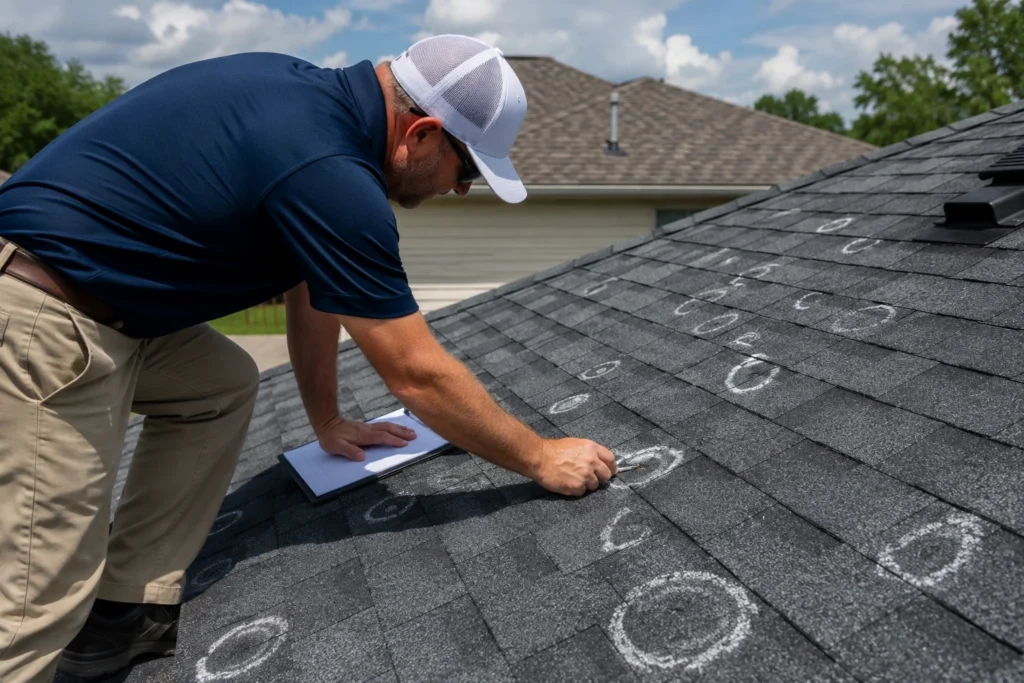
A hailstorm can last only a few minutes. The financial consequences, however, can linger for months or even years. If you’re searching for What to Do If Your Hail Claim Was Denied in Duncanville, TX, chances are you’re already dealing with frustration, uncertainty, and a growing list of questions. You paid for insurance coverage. You reported the damage. You followed the process. Then the denial letter arrived. That experience is more common than many property owners realize.
Across North Texas, hailstorms regularly cause significant damage to homes, commercial buildings, roofing systems, siding, windows, and outdoor structures. Yet many policyholders discover that filing a claim does not automatically result in payment. Insurance companies sometimes deny valid claims due to disagreements about damage, policy interpretation, documentation, or inspection findings.
The good news is that a denial is not always the final answer. In many situations, homeowners and business owners can challenge a denial, submit additional evidence, request a reinspection, or pursue other remedies. Understanding your options can make a significant difference in the outcome of your claim. This guide explains exactly What to Do If Your Hail Claim Was Denied in Duncanville, TX, including practical steps that may help protect your rights and strengthen your position during the dispute process.
Understanding Why Hail Claims Get Denied
Before taking action, it helps to understand why insurance companies deny hail damage claims in the first place. Many denials stem from one central issue: the insurer does not agree that the damage qualifies for coverage. That disagreement can arise for several reasons.
Common Reasons for Hail Claim Denials
| Reason for Denial | Description |
| Wear and tear | Damage attributed to aging materials rather than hail |
| Lack of evidence | Insufficient proof connecting damage to the storm |
| Pre-existing conditions | Damage allegedly existed before the hail event |
| Policy exclusions | Specific exclusions limit coverage |
| Missed deadlines | Late reporting creates complications |
| Maintenance concerns | Poor upkeep allegedly contributed to damage |
While some denials are justified, others may result from incomplete inspections or incorrect conclusions. That distinction matters. A denied claim should never be accepted blindly without careful review.
When a Denial May Not Tell the Whole Story
Insurance claim investigations are rarely simple. A roof may show signs of aging while also suffering hail damage. A siding panel may have pre-existing wear but still contain storm-created impacts. The reality is that multiple factors often exist at the same time. Unfortunately, claim decisions sometimes focus heavily on one explanation while minimizing another.
That does not automatically mean the insurer acted improperly. However, it does mean policyholders should take the time to verify whether all relevant facts were considered. If substantial evidence suggests hail damage exists, a denial should be examined carefully rather than accepted at face value.
Review the Denial Letter Carefully
Many policyholders glance at the denial letter, become discouraged, and set it aside. That is a mistake. The denial letter contains critical information about the insurer’s reasoning. Read every page. Then read it again.
Pay particular attention to:
- The specific reason for denial
- References to policy language
- Inspection findings
- Dates mentioned in the decision
- Instructions regarding appeals
- Response deadlines
Create a dedicated claim file immediately.
Store:
- Insurance correspondence
- Emails
- Inspection reports
- Photographs
- Estimates
- Policy documents
- Weather records
Organization may not seem exciting. However, organized documentation frequently becomes one of the strongest tools available during a claim dispute.
Questions to Ask After Reading the Denial
As you review the denial, consider several important questions:
- Did the insurer inspect all damaged areas?
- Were photographs included in the evaluation?
- Does the denial reference specific policy provisions?
- Were weather conditions discussed?
- Is the explanation detailed or vague?
- Are there deadlines for further action?
These questions help identify potential gaps in the claim review process. Sometimes the denial reveals exactly why the insurer reached its conclusion. Other times it raises additional concerns that warrant further investigation.
Confirm That Hail Damage Exists
One of the most common issues in denied claims involves disagreements about the presence or severity of damage. Insurance adjusters may conclude that no hail damage exists. Contractors may disagree. Independent inspectors may identify significant storm-related impacts. That is why verification is essential.
Areas Frequently Damaged by Hail
Hail does not target only roofing materials. It can affect numerous parts of a property.
These include:
- Asphalt shingles
- Metal roofing
- Gutters
- Downspouts
- Siding
- Windows
- Skylights
- HVAC systems
- Exterior paint
- Fencing
Some damage remains difficult to identify from the ground. In fact, hidden damage often becomes apparent only after closer inspection.
Common Signs of Hail Damage
| Component | Potential Damage |
| Roof | Bruising, cracks, granule loss |
| Gutters | Dents and impact marks |
| Siding | Chips, cracks, punctures |
| HVAC Units | Bent fins and dents |
| Windows | Fractures and chips |
The more evidence you can gather, the stronger your position becomes.
Why Hidden Damage Creates Problems
Not all hail damage causes immediate leaks. In some cases, the damage slowly weakens roofing materials over time. Months later, moisture intrusion begins. At that point, proving the connection between the hailstorm and resulting problems can become more challenging. This is one reason why prompt inspections matter. Early documentation often becomes valuable evidence if disputes arise later.
Take Extensive Photos and Videos
Documentation is everything. And when it comes to hail claims, visual evidence often carries significant weight.
Take photographs immediately if possible.
Capture:
- Wide-angle views
- Close-up damage images
- Multiple angles
- Roof surfaces
- Gutters
- Siding
- Interior leaks
- Water stains
Videos can also help. Slow walkthroughs of affected areas provide context that still photos sometimes miss. Whenever possible, preserve metadata showing dates and times. Those details may become valuable later.
Tips for Better Documentation
A few simple techniques can improve the quality of your evidence. Try to photograph damage in natural daylight. Include reference points that provide scale. Take images before temporary repairs occur. Store digital files in multiple locations. Cloud backups can prevent accidental loss of critical evidence. Good documentation creates a clear record of property conditions and helps eliminate uncertainty.
Obtain Weather Documentation
Weather records can strengthen your case considerably. After all, proving that a hailstorm occurred near your property on a specific date helps establish causation.
Useful records may include:
- National Weather Service reports
- Radar data
- Local storm reports
- Hail size measurements
- Meteorological documentation
These records can help counter arguments that no significant hail event occurred. In disputed claims, objective weather data often becomes highly persuasive.
Why Storm Data Matters
Insurance companies frequently evaluate whether reported damage aligns with documented weather activity. If a homeowner reports baseball-sized hail but weather data shows only light rain, questions naturally arise. Conversely, when records confirm severe hail activity in the immediate area, policyholders gain additional support for their position. Weather reports alone do not prove damage. However, they often strengthen the overall claim narrative.
Schedule an Independent Inspection
This step can be a game changer.
Insurance company inspections are important. However, they are not always comprehensive. An independent evaluation provides another perspective.
Professionals who may assist include:
- Roofing contractors
- Structural engineers
- Building consultants
- Public adjusters
Independent inspections frequently uncover:
- Functional roof damage
- Hidden impact points
- Compromised flashing
- Water intrusion concerns
- Damage overlooked during initial inspections
The goal is not simply obtaining another opinion. The goal is obtaining credible, well-supported evidence.
Choosing the Right Inspector
Experience matters. Whenever possible, choose professionals familiar with storm-related property damage.
Ask questions such as:
- How many hail inspections have you performed?
- Do you provide written reports?
- Will photographs be included?
- Can findings be explained in detail?
The answers can help determine whether the inspection will provide useful support during a dispute.
Understand Your Insurance Policy

Insurance policies are contracts. Every word matters. Many claim disputes ultimately revolve around policy language rather than damage itself. That is why reviewing your policy carefully becomes essential. Focus on several key areas.
Covered Perils
Determine whether hail is specifically covered under the policy. Most homeowners policies include hail coverage, but limitations may apply.
Exclusions
Review exclusions closely.
Common exclusions involve:
- Wear and tear
- Deterioration
- Neglect
- Improper maintenance
Deductibles
Many Texas policies contain separate wind and hail deductibles.
Understand:
- Flat deductibles
- Percentage deductibles
- Coverage thresholds
Settlement Methods
Determine whether the policy provides:
- Actual Cash Value (ACV)
- Replacement Cost Value (RCV)
The distinction can significantly impact compensation.
Don’t Skip the Fine Print
Many policyholders focus primarily on premium costs when purchasing coverage. That is understandable. However, the claim process is where policy language truly matters. Take time to review endorsements, exclusions, deductibles, and settlement provisions. Understanding these details can help you recognize whether a denial aligns with the policy’s actual terms. For property owners in Duncanville, knowing what the policy says before entering a dispute can create a significant advantage and provide greater confidence when challenging an unfavorable decision.
Build a Strong Evidence Package
When challenging a denial, evidence should be comprehensive. Think of it as constructing a case. Each document supports your argument. A strong evidence package may include:
Inspection Reports
Detailed findings from contractors or experts.
Photographs
Before-and-after comparisons when available.
Repair Estimates
Professional cost assessments.
Weather Data
Proof of storm activity.
Maintenance Records
Evidence that the property was properly maintained.
Prior Inspection Reports
Documentation showing conditions before the storm.
The stronger the package, the harder it becomes to dismiss your position.
Organizing Your Evidence
Many policyholders gather documentation but fail to organize it effectively. That can create confusion.
Consider creating separate folders for:
- Policy documents
- Correspondence
- Inspection reports
- Photographs
- Weather records
- Repair estimates
- Receipts
A well-organized claim file allows you to quickly respond to requests and present information in a professional manner. That can make a meaningful difference during reviews and negotiations.
Appeal the Denial
Many insurance companies provide formal appeal procedures. Use them. Submitting a thoughtful appeal demonstrates that you take the dispute seriously.
What an Appeal Should Include
- Claim number
- Policy number
- Date of loss
- Explanation of disagreement
- Supporting evidence
- Request for reconsideration
Avoid emotional language. Stay factual. Stay professional. Stay organized. Insurance disputes are won through documentation and evidence, not frustration.
What Makes an Appeal More Effective?
The strongest appeals are specific. Rather than saying, “I disagree with the denial,” explain exactly why.
Reference:
- Inspection findings
- Weather documentation
- Policy provisions
- Photographs
- Expert reports
The goal is to provide decision-makers with a clear reason to revisit the claim. A well-supported appeal often receives more serious consideration than a simple request for review.
Request a Reinspection
Sometimes the fastest path toward resolution involves a second inspection. A reinspection may reveal information missed during the original evaluation.
When requesting a reinspection:
- Provide supporting documentation
- Submit independent reports
- Highlight overlooked areas
- Ask specific questions
Consider having your contractor, engineer, or public adjuster present during the inspection. Their participation may help ensure all damage receives proper consideration.
Preparing for the Reinspection
Preparation matters.
Before the inspector arrives:
- Organize photographs
- Gather reports
- Prepare estimates
- Identify areas of concern
Take notes during the visit. Ask questions. Request clarification when necessary. The more information exchanged during the inspection, the easier it becomes to understand how conclusions are reached.
Avoid Common Mistakes After a Denial
Some actions unintentionally weaken a claim. Avoid these pitfalls.
Waiting Too Long
Time matters. Appeal deadlines may apply. Evidence may disappear. Memories fade. Act promptly.
Discarding Damaged Materials
Keep damaged components whenever possible. Physical evidence can become important later.
Assuming the Insurer Is Always Correct
Insurance companies can make mistakes. Inspections can overlook damage. Documentation can be incomplete. Question conclusions respectfully when evidence suggests otherwise.
Failing to Seek Expert Help
Independent evaluations frequently identify issues that policyholders miss. Professional assistance often strengthens claims significantly.
Overlooking Small Details
Sometimes claim outcomes hinge on details that initially appear minor.
Examples include:
- Missing photographs
- Incomplete inspection reports
- Incorrect storm dates
- Inaccurate repair estimates
Attention to detail often separates stronger claims from weaker ones.
How Public Adjusters Can Help
Many property owners have never worked with a public adjuster. That is understandable. Most people only deal with major insurance claims occasionally. Public adjusters represent policyholders rather than insurance companies. Their role focuses on documenting losses, reviewing policies, and assisting with claim negotiations.
Services often include:
- Policy review
- Damage assessment
- Documentation preparation
- Claim presentation
- Negotiation support
For large or complex losses, professional representation can provide valuable guidance.
Why Some Denied Claims Benefit from Professional Representation
Insurance claims involve more than simply identifying damage.
The process often includes:
- Technical inspections
- Policy interpretation
- Cost analysis
- Documentation review
A public adjuster may help coordinate these components and present information in a clear and organized format. For some property owners, that support reduces stress and improves efficiency throughout the dispute process.
When Legal Assistance May Be Appropriate
Not every denied claim requires an attorney. However, some situations warrant legal review.
Potential examples include:
- Significant financial losses
- Repeated claim denials
- Allegations of bad faith
- Coverage disputes involving substantial damages
An attorney may help evaluate whether the insurer complied with its obligations under Texas law. Legal action should typically be viewed as one option among several rather than the first step.
Warning Signs That May Justify Additional Review
Consider seeking legal guidance when:
- Communication becomes inconsistent
- Deadlines are repeatedly missed
- Explanations remain unclear
- Significant evidence appears ignored
Every situation differs. The key is understanding that additional options may exist if standard appeal efforts fail.
Why Hail Damage Claims Are So Common in North Texas
North Texas experiences frequent severe weather. Large hail events occur regularly. As a result, roofing systems across Duncanville often sustain damage ranging from cosmetic impacts to significant structural concerns. This creates a unique environment where insurance claims become common. Unfortunately, claim disputes become common as well.
Because hail losses can involve thousands or even tens of thousands of dollars in repairs, insurers and policyholders sometimes reach very different conclusions about the scope of damage. That reality makes documentation especially important.
The Financial Impact of Hail Damage
Many homeowners underestimate how expensive hail-related repairs can become.
Consider potential costs involving:
- Roof replacement
- Gutter replacement
- Siding repairs
- Window replacement
- HVAC repairs
- Interior water damage
Even moderate storms can generate substantial repair bills. When large financial amounts are involved, disagreements sometimes follow.
Protecting Your Property During the Dispute
A denial does not eliminate your responsibility to prevent further damage. In fact, policies often require property owners to mitigate ongoing losses.
Temporary measures may include:
- Roof tarping
- Water removal
- Leak containment
- Securing damaged openings
Keep receipts. Document all emergency repairs. Take photographs before and after the work. These records may support future reimbursement requests.
Why Mitigation Matters
Imagine a hailstorm damages a roof. Weeks later, rain enters through the compromised area. Additional interior damage occurs. The insurer may argue that preventable damage developed because reasonable protective measures were not taken. That is why mitigation remains important even when claim disputes continue. Protecting the property protects your position.
Preparing for Future Storms
Every denied claim offers lessons. Property owners can reduce future disputes by maintaining thorough records before storms occur. Consider creating a property documentation file that includes:
| Record Type | Purpose |
| Roof inspections | Establish pre-loss condition |
| Maintenance records | Demonstrate proper upkeep |
| Property photos | Show baseline conditions |
| Repair invoices | Verify completed work |
| Insurance policies | Clarify coverage |
Preparation today can simplify claims tomorrow.
Annual Documentation Checklist
A simple yearly routine can provide valuable protection.
Consider:
- Photographing the roof
- Updating maintenance records
- Reviewing insurance coverage
- Saving repair invoices
- Scheduling inspections when necessary
The effort is relatively small. The potential value can be substantial.
Understanding Cosmetic vs. Functional Hail Damage
One of the most common disputes in denied hail claims involves the distinction between cosmetic damage and functional damage. Insurance companies often argue that hail only caused cosmetic issues. Property owners frequently disagree.
The difference matters because some policies limit or exclude coverage for cosmetic damage while continuing to cover functional damage. Cosmetic damage generally refers to visible imperfections that do not significantly affect the performance of the material.
Examples may include:
- Minor dents in metal roofing
- Surface blemishes
- Small impact marks
- Slight discoloration
Functional damage is different. Functional damage affects the ability of a component to perform its intended purpose.
Examples include:
- Cracked shingles
- Broken seals
- Damaged flashing
- Compromised waterproofing systems
- Roof punctures
A roofing system can appear relatively normal from the ground while still suffering substantial functional damage. That is one reason professional inspections are so important. Qualified inspectors often identify issues that are invisible to untrained observers.
When reviewing a denial, pay close attention to whether the insurance company classified damage as cosmetic rather than functional. If so, obtaining an independent opinion may help clarify the true condition of the property.
How Insurance Companies Evaluate Hail Damage
Many policyholders assume an adjuster simply looks at the roof and makes a decision. In reality, claim evaluations often involve several factors.
Insurance carriers may consider:
- Roof age
- Material type
- Storm reports
- Maintenance history
- Inspection findings
- Photographic evidence
- Prior claims
Adjusters frequently perform test square inspections. These inspections involve examining selected portions of a roof to identify impact marks. The results may then be used to estimate overall damage. While this process can be effective, it is not perfect. Sampling methods occasionally miss affected areas.
Roof designs can also complicate inspections. Steep slopes, multiple elevations, and inaccessible areas may limit visibility. As a result, some damage may go unnoticed during the initial assessment. Property owners should understand that an insurance inspection is not necessarily the final word regarding damage. Additional evaluations may reveal important findings that deserve consideration.
Texas Hail Claims and Policyholder Rights
Texas law provides important protections for policyholders. Understanding those rights can help property owners navigate claim disputes more effectively.
Insurance companies generally have obligations regarding:
- Claim investigations
- Communication
- Timely responses
- Good-faith handling practices
Policyholders have the right to:
- Receive explanations for claim decisions
- Request supporting information
- Submit additional documentation
- Challenge decisions through available procedures
That does not guarantee approval. However, it does mean policyholders are not required to accept a denial without question. If the basis for denial appears unclear, requesting clarification may be beneficial. Sometimes misunderstandings can be resolved through additional documentation. Other times, more formal dispute resolution becomes necessary. The key is understanding that a denial letter does not eliminate your rights under the policy.
Commercial Property Hail Claim Denials
Commercial property owners face many of the same challenges as homeowners. However, commercial claims often involve additional complexity.
A denied commercial hail claim may affect:
- Retail locations
- Office buildings
- Warehouses
- Industrial facilities
- Multifamily properties
Repair costs can be substantial. Business interruption concerns may also arise. Commercial roofing systems often require specialized inspections because they differ significantly from residential roofs.
Materials may include:
- TPO roofing
- EPDM systems
- Modified bitumen
- Metal roofing
- Built-up roofing systems
Damage to these systems is not always obvious. As a result, disputes frequently occur regarding the extent and significance of hail impacts. Commercial property owners should consider obtaining evaluations from professionals familiar with the specific roofing system involved. Industry-specific expertise can make a meaningful difference.
Writing an Effective Appeal Letter
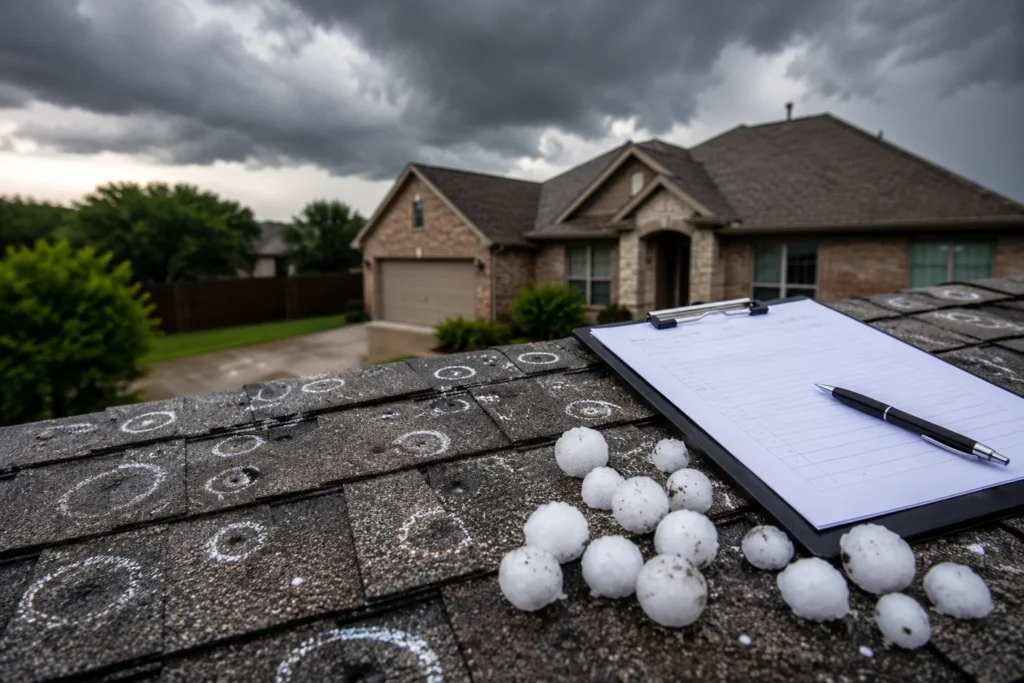
An appeal letter should be professional, organized, and evidence-based. This is not the place for anger or accusations. Instead, focus on presenting facts. A strong appeal typically includes:
Claim Information
Include:
- Policy number
- Claim number
- Property address
- Date of loss
Explanation of Disagreement
Clearly explain why you disagree with the denial. Reference specific evidence whenever possible.
Supporting Documentation
Attach:
- Inspection reports
- Estimates
- Weather records
- Photographs
- Engineering findings
Requested Action
Specify what you are requesting.
Examples may include:
- Claim reconsideration
- Reinspection
- Supplemental review
- Coverage determination review
A well-prepared appeal demonstrates seriousness and professionalism. Both qualities can positively influence the review process.
Sample Appeal Strategy
Rather than simply stating that the denial is unfair, explain the reasons for your disagreement.
For example:
- Independent inspections identified hail impacts.
- Weather records confirm hail activity.
- Photographs document visible damage.
- Repair estimates support replacement needs.
Specific evidence tends to carry more weight than general objections. The goal is to create a logical, well-supported argument that encourages further review.
The Importance of Timing
Many policyholders underestimate the importance of acting quickly. Time affects nearly every aspect of a hail claim. Evidence can deteriorate. Repairs may alter damage conditions. Witness recollections may fade. Documentation becomes harder to obtain. Prompt action helps preserve valuable information.
After receiving a denial:
- Review the decision immediately.
- Gather documents promptly.
- Schedule inspections quickly.
- Track deadlines carefully.
Waiting months before responding may create unnecessary obstacles. While every claim differs, timely action generally improves opportunities for successful dispute resolution.
Why Delays Can Hurt Your Position
Insurance companies often examine the timeline of events.
Long periods of inactivity can raise questions regarding:
- The severity of damage
- Property conditions
- Maintenance practices
- Loss-related causation
Acting promptly demonstrates diligence and helps preserve the strongest possible record.
Real-World Example of a Denied Hail Claim
Imagine a homeowner receives a denial after a major storm. The insurer concludes that roof damage resulted from age rather than hail. Initially, the homeowner feels defeated. However, instead of accepting the denial, they obtain an independent roofing inspection. The contractor identifies numerous hail impacts. An engineering evaluation confirms storm-related damage. Weather records show significant hail activity in the immediate area on the reported loss date.
Armed with new evidence, the homeowner submits a detailed appeal. A reinspection follows. After reviewing the additional information, the insurer reverses its original position and approves portions of the claim. This scenario illustrates an important point. Initial denials are not always permanent. New evidence can change outcomes. That is why thorough documentation remains so valuable.
Lessons from This Example
Several important lessons emerge:
- Independent inspections matter.
- Weather data can strengthen a claim.
- Documentation often influences outcomes.
- Appeals can produce results.
- Persistence is sometimes necessary.
Property owners should remember that a denial is simply one stage in the process, not always the final outcome.
Negotiating After a Partial Approval
Not every dispute ends with a complete denial reversal. Sometimes the insurance company acknowledges some damage but disagrees regarding scope or cost. This creates a different challenge.
In these situations, negotiations often focus on:
- Repair methods
- Material pricing
- Labor costs
- Code upgrades
- Replacement requirements
Detailed contractor estimates can be especially helpful. Line-item comparisons frequently reveal significant differences between competing evaluations. Negotiations should remain professional and evidence-based. The goal is not confrontation. The goal is achieving a fair assessment of the loss.
Understanding Scope Disputes
Scope disputes are among the most common insurance disagreements. For example, a contractor may recommend full roof replacement while the insurer approves only limited repairs. When that happens, detailed documentation becomes essential. Reports explaining why repairs are insufficient may help support broader coverage requests. The stronger the supporting evidence, the easier it becomes to justify a revised claim position.
Why Professional Guidance Often Matters
Insurance claims can become complicated quickly. Policy language, engineering opinions, repair estimates, and inspection reports all influence the process. For many property owners, navigating these issues alone can feel overwhelming.
Professional assistance may provide:
- Technical expertise
- Documentation support
- Policy interpretation guidance
- Claim presentation assistance
- Negotiation experience
Every claim is unique. Some disputes resolve quickly. Others require persistence. The important thing is recognizing when additional expertise may help strengthen your position.
Choosing the Right Professional
Not all claim professionals offer the same experience. Before hiring assistance, consider asking:
- How many hail claims have they handled?
- What services are included?
- Do they provide written documentation?
- How familiar are they with Texas property claims?
The answers may help you determine whether the professional is a good fit for your situation.
The Financial Stakes of a Denied Hail Claim
Many homeowners initially focus only on visible roof damage. However, hail losses can extend much further.
Potential expenses may include:
- Roof replacement
- Interior repairs
- Gutter replacement
- Siding repairs
- Window replacement
- HVAC repairs
- Painting costs
- Water mitigation services
When these expenses are combined, total losses can become substantial. That is one reason policyholders often choose to challenge claim denials. The financial impact may be too significant to ignore.
Small Damage Can Become Larger Problems
Minor roof damage today can become a major repair project tomorrow. A compromised roofing system may allow moisture infiltration.
Moisture can contribute to:
- Ceiling damage
- Mold growth
- Insulation deterioration
- Structural concerns
Addressing issues early often helps reduce long-term repair costs.
Building a Stronger Claim Moving Forward
Whether your current dispute is resolved tomorrow or several months from now, there are lessons worth carrying forward.
The most successful claim files often contain:
- Comprehensive photographs
- Professional inspections
- Detailed maintenance records
- Organized correspondence
- Reliable weather documentation
Strong records create clarity. Clarity reduces disputes. And fewer disputes often lead to smoother claim experiences. Property owners who proactively document their properties place themselves in a stronger position before storms ever occur.
The Value of Professional Documentation
One overlooked reality is that insurance claims often become evidence-driven disputes. The side with the better documentation frequently gains an advantage. Whether you work with a contractor, engineer, public adjuster, or even a specialized Fire Insurance Adjuster familiar with complex property losses, detailed records can significantly strengthen your position.
Clear evidence tells a story. And a well-supported story is harder to ignore. As you gather information, remain methodical. In some ways, claim investigations resemble concepts found in complex systems such as Epistemology, where conclusions depend heavily on the quality and reliability of available evidence. Strong evidence often produces stronger outcomes.
Final Thoughts
If you’re researching What to Do If Your Hail Claim Was Denied in Duncanville, TX, remember that a denial does not necessarily mean the process is over. Many property owners in Duncanville successfully challenge claim denials every year. The key is approaching the situation strategically. Start by understanding why the denial occurred. Review the denial letter carefully. Gather photographs, inspection reports, weather records, and repair estimates. Seek independent evaluations when appropriate.
Understand your insurance policy. Follow available appeal procedures. Most importantly, stay proactive. Waiting rarely improves a denied claim. Action often does. Property owners who remain organized, informed, and persistent frequently place themselves in a much stronger position during disputes.
While every claim is unique, one fact remains consistent: a denial letter does not automatically eliminate your right to pursue additional review. For homeowners and business owners facing uncertainty after a storm, understanding What to Do If Your Hail Claim Was Denied in Duncanville, TX can be the first step toward protecting your property, your finances, and your peace of mind. By taking the right steps, gathering strong evidence, and seeking qualified assistance when necessary, property owners in Duncanville can improve their chances of reaching a fair and informed resolution after a hail damage claim denial.
FAQs
The deadline depends on your policy and insurer, so review your denial letter carefully and act as soon as possible.
In many cases, yes. New evidence, inspection reports, or documentation may support a request for reconsideration.
Yes. An independent inspection can identify storm damage that may have been overlooked during the insurer’s evaluation.
You can obtain independent expert opinions and documentation to determine whether hail damage contributed to the loss.
Absolutely. Many forms of hail damage are only visible during a close roof inspection by a qualified professional.
No. However, a well-supported appeal can improve your chances of having the denial reviewed and potentially reversed.
Save the denial letter, insurance policy, photographs, inspection reports, repair estimates, emails, and weather records.
Yes. Public adjusters represent policyholders and can assist with documentation, claim preparation, and negotiations.
You may challenge the scope of damage, request a reinspection, or submit additional evidence supporting further repairs.
If significant damage exists and supporting evidence is available, pursuing an appeal or review may be worthwhile.