
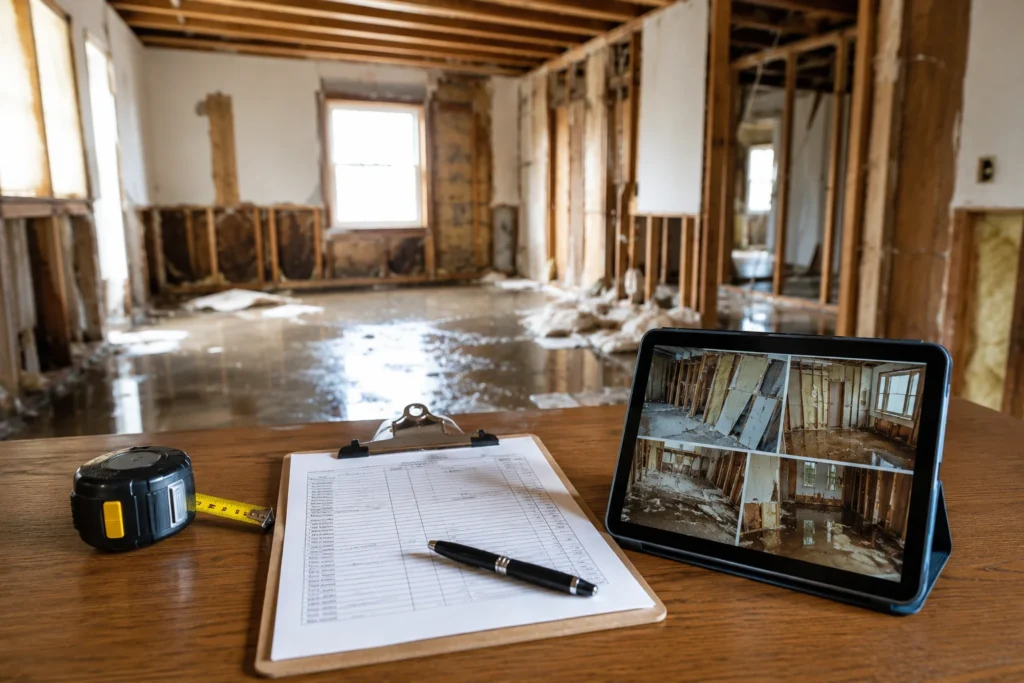
When property owners review an insurance estimate for the first time, the focus is usually on the dollar amount. That is understandable. After all, the settlement amount directly affects how repairs will be funded. However, experienced claim professionals know that the real issue is often not the price. It is the scope. Understanding what carriers commonly miss in their scope can make the difference between a fully funded restoration project and thousands of dollars in unexpected out-of-pocket expenses. Many underpaid claims begin with an incomplete scope of loss. The estimate may appear detailed. It may contain dozens of line items. Yet if critical repairs are missing, the final payment can fall far short of what is actually required to restore the property. Unfortunately, these omissions occur more often than many homeowners realize.
This becomes especially important when researching claim assistance options or asking questions such as “How to Hire a Public Adjuster?” because the quality of claim representation often depends on identifying the exact items that were overlooked. A thorough review can reveal significant gaps that directly affect the value of a settlement. For homeowners, business owners, and property managers, understanding what carriers commonly miss in their scope provides valuable insight into how insurance claims are evaluated. More importantly, it helps policyholders recognize potential issues before repairs begin. The reality is simple. An estimate can be perfectly priced and still be wrong. If important repairs are omitted, even the most accurate pricing software cannot compensate for missing work. Let’s look at where these gaps often occur.
What Is an Insurance Scope of Loss?
Before discussing omissions, it helps to understand what a scope of loss actually is. A scope of loss is the detailed list of repairs, replacements, labor tasks, materials, and related operations necessary to restore damaged property after a covered loss. Think of it as a blueprint. The estimate is the cost. The scope is the work. Without an accurate scope, the estimate cannot accurately reflect the true cost of restoration.
Most insurance adjusters create scopes based on property inspections, photographs, contractor reports, engineering findings, and policy considerations. Once the scope is established, pricing software assigns values to each repair item. The problem? If something never makes it into the scope, it never gets priced. And that can create substantial claim deficiencies.
Why Carriers Miss Items in Their Scope
Most omissions are not necessarily intentional. Claims professionals often work under significant time constraints. Following major storms, adjusters may inspect dozens of properties in a single week. Large claim volumes can make it difficult to perform exhaustive inspections, especially when damage is complex or partially concealed.
Several factors contribute to incomplete scopes:
- Limited inspection time
- Hidden damage
- Inaccessible areas
- Incomplete documentation
- Contractor discoveries after demolition
- Building code requirements
- Communication gaps between parties
Property damage is rarely as simple as it appears from the surface. Water travels. Materials overlap. Structural components conceal underlying issues. What appears to be a straightforward repair can become much more involved once restoration begins. That is where many claim disputes originate.
The Difference Between Scope and Price
Many policyholders mistakenly assume that a low settlement means the carrier used low pricing. Sometimes that is true. Often, however, the issue is entirely different.
Consider this example:
| Scenario | Result |
| Correct scope + correct pricing | Fair settlement |
| Correct scope + low pricing | Pricing dispute |
| Incomplete scope + correct pricing | Underpaid claim |
| Incomplete scope + low pricing | Significant underpayment |
Notice something important. An estimate can contain fair market pricing and still leave thousands of dollars unpaid because necessary work was never included. That is why professionals spend significant time evaluating scope completeness before discussing pricing adjustments.
Commonly Missed Roofing Items
Roof claims consistently produce some of the largest scope disputes. Most homeowners focus on shingles. The roofing system is far more complex than that. Several supporting components are frequently omitted.
Starter Shingles
Starter shingles create the first layer of protection along roof edges. They help prevent wind uplift and water intrusion. When damaged roofing systems are replaced, starter shingles typically require replacement as well. Yet they are often absent from initial estimates.
Ridge Cap Shingles
Ridge caps cover roof peaks and ridges. Because they are separate components from field shingles, they frequently require separate line items. Missing ridge cap replacements can significantly affect project costs.
Step Flashing
Step flashing protects areas where roofing materials meet walls. It is one of the most critical waterproofing components on a roof. Many contractors recommend replacement when roofing systems are replaced because disturbing existing flashing can compromise performance.
Valley Components
Roof valleys handle substantial water flow. Valley metals and liners often sustain damage during storms or during roof replacement activities. Omitting these components can leave restoration work incomplete.
Drip Edge
Drip edge materials protect roof edges and direct water away from structural components. Modern building requirements often include specific drip edge standards that older installations may not meet.
Ventilation Components
Roof ventilation affects:
- Energy efficiency
- Moisture control
- Roof lifespan
- Attic temperatures
Commonly missed ventilation items include:
- Ridge vents
- Roof vents
- Turbine vents
- Vent covers
- Ventilation upgrades
Even small omissions can add hundreds or thousands of dollars to a project.
Detach and Reset Operations
This category is frequently overlooked.
Before roof replacement can occur, contractors may need to remove and reinstall:
- Satellite dishes
- Security cameras
- Solar equipment
- HVAC components
- Antennas
These operations require labor.
Labor requires compensation. If detach-and-reset activities are missing from the scope, contractors may struggle to perform the work within the approved budget.
Exterior Damage Often Left Out of Estimates
The roof may attract the most attention after a storm, but exterior components often suffer damage as well. Some of the most common omissions occur here.
Gutters and Downspouts
Damage is not always obvious. Dents, displacement, separation, and drainage issues may affect performance even when systems appear functional from the ground. Partial repairs also introduce matching concerns.
Siding Damage
Siding claims can become particularly complex.
Damage may affect:
- Individual panels
- Fasteners
- Moisture barriers
- Trim components
- Corner assemblies
Matching issues create additional challenges. Finding identical materials years after installation is not always possible.
Window-Related Components
Many estimates focus solely on visible damage. However, window systems contain numerous elements that may require attention:
- Screens
- Flashing
- Exterior trim
- Sealants
- Glazing components
Failure to evaluate the entire assembly can leave repair costs unpaid.
Exterior Painting
This area generates frequent disagreements. A carrier may approve spot painting. A contractor may determine that full-wall painting is required to achieve a consistent appearance. Both perspectives deserve consideration. The key is documenting why broader painting may be necessary.
Interior Damage Frequently Missed During Inspections
Interior claims often evolve over time. The reason is simple. Many problems remain hidden until demolition begins. Water damage is particularly notorious for revealing additional issues after initial inspections.
Insulation
Wet insulation loses effectiveness. It can also contribute to moisture-related concerns. Replacing damaged insulation may be necessary even when visible surfaces appear relatively unaffected.
Drywall and Texture Matching
Patch repairs sound simple. In practice, matching existing textures can be difficult. Contractors may need to perform larger repairs to create a consistent appearance across walls and ceilings.
Flooring Transitions
Flooring repairs rarely occur in isolation. Transitions between materials often require additional work.
Examples include:
- Carpet transitions
- Tile transitions
- Hardwood transitions
- Threshold assemblies
These costs can accumulate quickly.
Baseboards and Trim
Removing damaged materials often affects surrounding trim. Replacement frequently involves:
- Removal
- Installation
- Caulking
- Painting
- Finishing
Each operation contributes to the overall restoration cost.
Cabinet Components
Kitchen and bathroom claims regularly involve hidden cabinet-related expenses. Common omissions include:
- Toe kicks
- Crown molding
- Fillers
- Hardware
- End panels
Missing even a few of these items can substantially impact project budgets.
Why Building Code Upgrades Matter
One of the most misunderstood areas of property claims involves code compliance. Construction standards change over time. A home built twenty years ago may not satisfy current requirements. When covered damage triggers repairs, local building authorities may require upgrades before permits are approved. This creates additional costs. Those costs may be covered depending on policy language and applicable endorsements. Unfortunately, code-related expenses are sometimes overlooked during initial evaluations.
Common examples include:
- Roofing underlayment upgrades
- Ventilation improvements
- Structural fastening requirements
- Electrical updates
- Fire-safety requirements
For property owners in Duncanville, understanding local permit requirements can be an important part of evaluating claim completeness. Ignoring code considerations can create costly surprises after construction begins.
Hidden Damage That Often Appears Later
One of the biggest reasons disputes arise over what carriers commonly miss in their scope is that some damage simply cannot be confirmed during an initial inspection. The first inspection is often a snapshot. The real story unfolds later. As contractors begin removing materials, opening walls, lifting flooring, or accessing concealed areas, additional damage may become visible. This is not unusual. In fact, it happens on a regular basis.
Water Intrusion Behind Walls
Water has a remarkable ability to travel. It follows framing members. It moves through insulation. It can migrate several feet from the original point of entry. A ceiling stain in one room may actually originate from damage occurring elsewhere.
When walls are opened, contractors sometimes discover:
- Saturated insulation
- Damaged framing
- Mold growth
- Electrical concerns
- Hidden deterioration
None of these conditions may have been visible during the initial inspection.
Structural Damage
Structural components are rarely exposed. Roof decking, framing, and support members often remain concealed behind finished materials. Storm damage, prolonged water exposure, or impact events can compromise structural elements without producing immediate visible symptoms. A claim that initially appears minor may reveal significant structural concerns once restoration begins.
Electrical System Damage
Water and electrical systems are never a good combination.
Moisture intrusion can affect:
- Wiring
- Outlets
- Junction boxes
- Light fixtures
- Electrical panels
Safety concerns frequently require further investigation by licensed professionals.
HVAC System Impacts
Mechanical systems can also be affected by property losses.
Water intrusion, smoke contamination, debris infiltration, or impact damage may require repairs that were not evident during initial inspections. Because HVAC systems are complex, additional evaluations often become necessary after restoration begins.
The Cost of Missing Scope Items
Many property owners underestimate how expensive omissions can become. The missing item itself may not seem significant. The cumulative impact often is. A few omitted roofing components. Several missing interior repairs. Unaccounted painting requirements. Additional code upgrades. Together, these issues can create substantial financial gaps.
Underpaid Claims
The most obvious consequence is an underpaid claim. When necessary repairs are absent from the scope, settlement amounts frequently fall below actual restoration costs. This forces property owners into difficult decisions. Some delay repairs. Others pay the difference themselves. Neither option is ideal.
Repair Delays
Contractors cannot complete work that has not been approved. When scope disputes arise, projects may stall while supplemental requests are reviewed. This can extend repair timelines significantly.
Unexpected Out-of-Pocket Expenses
Many policyholders are surprised when contractor proposals exceed insurance estimates. In many cases, the difference is not contractor pricing. It is scope completeness.
Long-Term Property Problems
Incomplete repairs can create future issues. Small problems have a tendency to become large problems. Water intrusion continues. Materials deteriorate. Property values may suffer. Addressing omissions early often prevents larger expenses later.
How Contractors Identify Missing Scope Items
Experienced restoration contractors perform evaluations that differ substantially from initial claim inspections. Their focus is not simply identifying damage. Their focus is identifying every repair required to complete the project properly.
Detailed Measurements
Accurate measurements matter.
Contractors carefully document:
- Square footage
- Linear footage
- Material quantities
- Component counts
- Access requirements
Small measurement differences can significantly affect estimates.
Photographic Documentation
Strong documentation supports strong claims.
Professional contractors typically capture:
- Wide-angle photographs
- Close-up images
- Damage progression photos
- Moisture readings
- Construction details
Visual evidence often becomes a key part of supplement negotiations.
Material Verification
Matching materials is not always easy.
Contractors frequently verify:
- Product availability
- Manufacturer specifications
- Color matches
- Installation requirements
This information can reveal repairs that were not originally included.
Building Code Research
Code compliance requires more than assumptions. Contractors often review permitting requirements and local regulations before finalizing restoration plans. This process frequently uncovers additional scope considerations.
What Is a Supplement and Why Is It Important?
Supplements are a normal part of the insurance claim process. Unfortunately, many property owners misunderstand their purpose. A supplement is not necessarily a dispute. It is simply a request to account for additional work that was not included in the original estimate. Supplements exist because damage investigations evolve. New information becomes available. Conditions change. Hidden damage is discovered. Additional requirements emerge.
Common Reasons Supplements Are Approved
Several situations commonly justify supplemental payments:
- Hidden damage discoveries
- Missing line items
- Additional labor requirements
- Material matching issues
- Building code upgrades
- Access complications
Supplements help align claim payments with actual repair requirements.
Documentation Matters
Successful supplements rely on evidence.
Useful documentation may include:
- Contractor estimates
- Inspection reports
- Photographs
- Measurements
- Manufacturer information
- Permit requirements
The stronger the documentation, the easier it becomes to explain why additional compensation may be warranted.
Warning Signs Your Scope May Be Incomplete
Most homeowners are not construction experts. That is perfectly normal. However, there are several indicators that may suggest an estimate deserves closer review.
Contractor Estimates Are Significantly Higher
A large gap does not automatically mean one side is wrong. It does justify further investigation.
Rooms or Areas Are Missing
Every damaged area should be documented. If affected spaces are absent from the estimate, additional review may be necessary.
Generic Descriptions Appear Throughout
Vague descriptions sometimes indicate that repairs were not evaluated in sufficient detail. Specific scopes generally provide greater clarity.
Code Requirements Are Absent
Older properties frequently require code-related upgrades. If none appear in the estimate, questions may be appropriate.
Detach-and-Reset Items Are Missing
Roof projects often involve equipment removal and reinstallation. These operations should not be overlooked.
Repairs Seem Unrealistically Low
Trust your instincts. If a proposed repair amount appears inconsistent with actual restoration costs, obtaining additional opinions may be worthwhile.
How a Public Adjuster Reviews an Insurance Scope
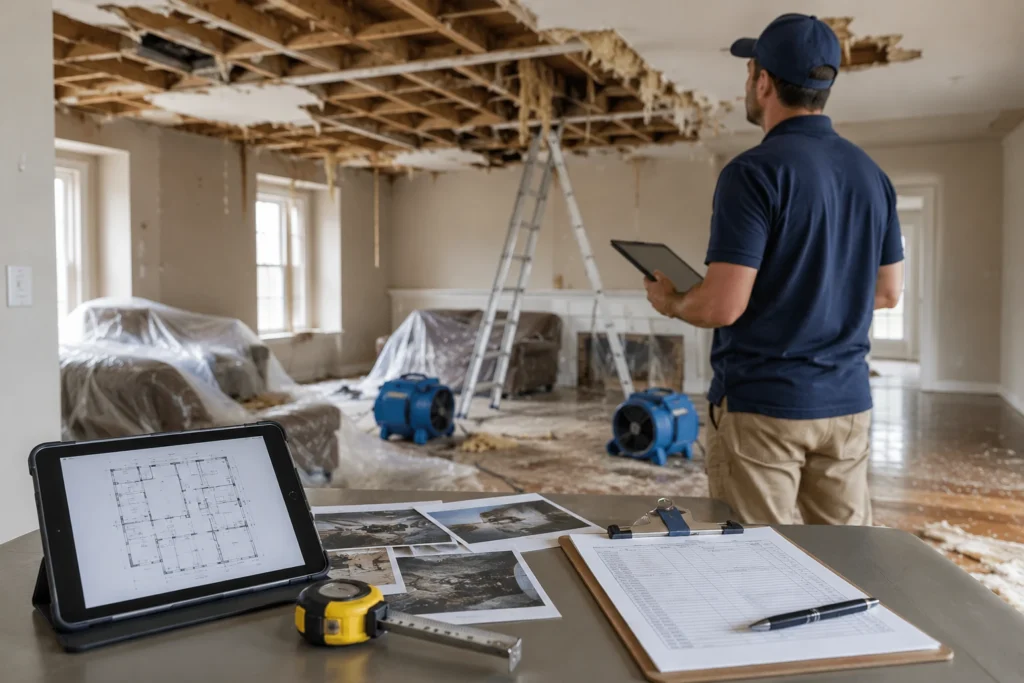
Public adjusters approach claims from a different perspective. Their goal is to evaluate the loss on behalf of the policyholder. This often involves a detailed review of both damage conditions and estimate accuracy.
Comprehensive Damage Assessment
The process typically begins with a thorough inspection. Every affected area is documented. Potential omissions are identified. Repair requirements are evaluated.
Scope Comparison
The adjuster compares actual property conditions against the carrier’s estimate. Differences become easier to identify through side-by-side analysis.
Documentation Development
Supporting evidence is assembled.
This may include:
- Photos
- Measurements
- Contractor reports
- Expert evaluations
- Code references
Negotiation Support
Once omissions are identified, discussions can occur regarding additional compensation. The objective is not conflict. The objective is accuracy. Understanding what carriers commonly miss in their scope often becomes the foundation of these conversations.
A Real-World Example of Scope Expansion
Imagine a homeowner experiences a significant windstorm. The carrier performs an inspection and issues an estimate for roof replacement. At first glance, everything appears reasonable. The estimate includes shingles. It includes labor. It includes disposal. The homeowner feels relieved. Then the contractor begins reviewing the project. Additional observations emerge.
The contractor identifies:
- Missing starter shingles
- Missing ridge caps
- Step flashing replacement
- Drip edge requirements
- Ventilation upgrades
- Permit costs
- Detach-and-reset operations
The original estimate was not necessarily unreasonable. It was incomplete. After documentation is submitted, supplemental payments are approved. The claim value increases substantially. This scenario occurs more frequently than many property owners realize.
Why Documentation Wins Claims
Emotions do not determine claim outcomes. Documentation does. Clear evidence often carries more weight than lengthy arguments. That is why successful claim reviews focus on facts. Photographs. Measurements. Reports. Construction requirements. One interesting example of a highly specialized concept is photogrammetry, a technology sometimes used to create precise measurements and detailed property models from photographs. While not necessary for every claim, advanced documentation methods continue to improve damage evaluation accuracy. The better the evidence, the easier it becomes to explain why additional work may be necessary.
Protecting Yourself During the Claims Process
Property owners can take several practical steps to reduce the likelihood of overlooked repairs.
Request Detailed Documentation
Ask for complete estimates. Review every line item. Understand what has been included and what has not.
Keep Records Organized
Maintain a claim file containing:
- Photos
- Emails
- Estimates
- Inspection reports
- Invoices
- Notes from conversations
Organization simplifies future discussions.
Obtain Independent Opinions
Contractors, engineers, and claim professionals can provide valuable perspectives. A second opinion often reveals details that deserve further attention.
Ask Questions
Do not assume every estimate is complete.
Ask:
- Were code requirements considered?
- Were all damaged areas inspected?
- Were detach-and-reset items included?
- Was hidden damage evaluated?
Simple questions can uncover important information.
Review Before Repairs Begin
The best time to identify omissions is before construction starts. Waiting until midway through a project often creates additional challenges.
Why Duncanville Property Owners Should Pay Close Attention
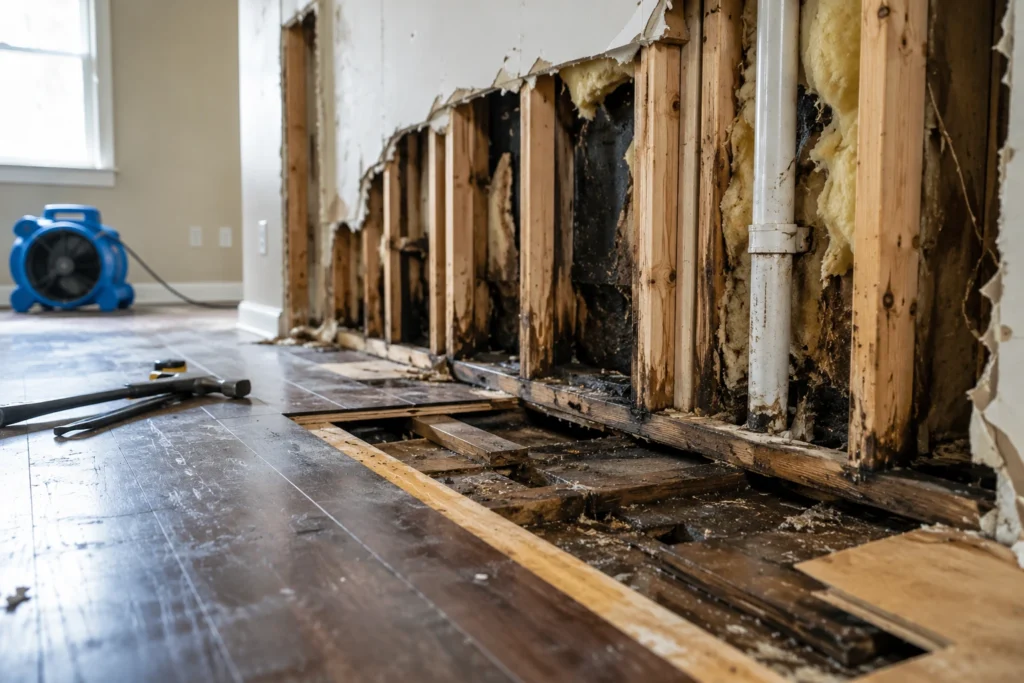
Storms, wind events, hail losses, water damage incidents, and other property claims can affect homes and businesses throughout Duncanville. Every claim is different. Every property is different. Yet one pattern remains remarkably consistent. Many disputes involve scope completeness rather than pricing alone. Property owners who understand what carriers commonly miss in their scope are often better positioned to evaluate settlement offers, communicate with contractors, and make informed decisions regarding repairs. That knowledge can help prevent costly surprises.
Final Thoughts
When most people receive an insurance estimate, they immediately look at the bottom line. That is understandable. But the most important number on the page may not be the total. It may be the number of missing items. Understanding what carriers commonly miss in their scope allows property owners to focus on the foundation of every claim: identifying all necessary repairs before assigning a value to them.
An incomplete scope can lead to underpaid claims, repair delays, contractor disputes, and unexpected expenses. A complete scope creates a stronger path forward. For homeowners and business owners in Duncanville, taking the time to carefully review an estimate, document damage thoroughly, and seek professional guidance when needed can make a meaningful difference in the outcome of a property claim. Before worrying about price, make sure the work itself has been properly identified. Because when critical repairs are missing from the scope, the estimate can never tell the full story.
FAQs
A scope of loss is a detailed list of all repairs, materials, and labor required to restore property damage covered by an insurance claim.
Carriers may miss items due to limited inspection time, hidden damage, inaccessible areas, or information that was not visible during the initial inspection.
Starter shingles, ridge caps, flashing, drip edge, ventilation components, and detach-and-reset operations are frequently omitted from initial estimates.
Yes. If additional damage is discovered during repairs, it can often be submitted through a supplemental claim with proper documentation.
A supplement is a request for additional claim funds when repairs or damage were not included in the original insurance estimate.
Large differences between contractor estimates and carrier estimates, missing rooms, or absent code-related items may indicate an incomplete scope.
They can. Depending on your policy and endorsements, code-required upgrades may be covered and should be included in the scope of repairs.
Yes. An independent contractor estimate can help identify missing repairs, hidden damage, and other scope discrepancies.
A public adjuster reviews the damage, identifies omitted items, documents losses, and negotiates with the insurance company on behalf of the policyholder.
Even accurate pricing cannot compensate for repairs that were never included. A complete scope is the foundation of a properly valued claim.