
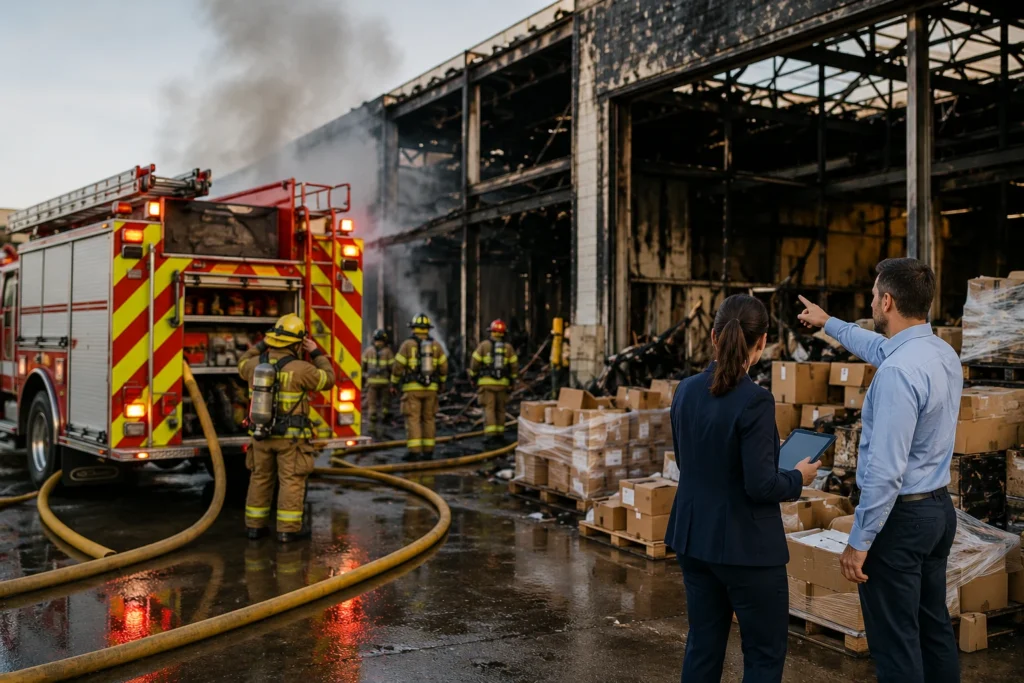
A fire can change everything in a matter of minutes. One moment you’re enjoying a normal day, and the next you’re facing smoke-filled rooms, damaged belongings, and a long list of questions about recovery. Among the biggest concerns property owners face is understanding exactly what their insurance policy will pay for. That’s why one of the most important questions homeowners ask after a loss is: What Does Fire Insurance Actually Cover?
The answer is more complicated than many people expect. While most property insurance policies provide fire protection, coverage can vary significantly depending on policy language, endorsements, exclusions, limits, and the specific circumstances surrounding the loss. Understanding these details before disaster strikes can help homeowners and business owners make informed decisions and avoid unpleasant surprises during the claims process. For property owners in Duncanville, knowing how fire insurance works is especially valuable. A clear understanding of your coverage can make the difference between a smooth recovery and a frustrating claims experience.
Understanding Fire Insurance Basics
Fire insurance is designed to help property owners recover financially after a covered fire loss. In many cases, fire coverage is included within a standard homeowners insurance policy or commercial property insurance policy. The purpose is straightforward. When a covered fire damages your property, the insurance company may pay for repairs, replacement of damaged belongings, cleanup expenses, and other related costs, subject to policy terms and limits.
However, not every fire loss is treated equally. Insurance companies investigate the cause of the fire, evaluate the extent of damage, and determine whether the event falls within the policy’s coverage provisions. This process often becomes more complex than policyholders anticipate.
Why Fire Coverage Matters
Few events create financial devastation as quickly as a fire. Unlike gradual forms of property damage, fire often causes immediate destruction. Structural components can be compromised. Personal belongings may become unusable. Smoke can contaminate areas untouched by flames. The costs add up fast.
Common causes of residential and commercial fires include:
- Electrical malfunctions
- Cooking accidents
- Heating equipment failures
- Lightning strikes
- Wildfires
- Faulty appliances
- Human error
- Improper storage of flammable materials
Even a relatively small fire can generate repair costs reaching tens of thousands of dollars. Larger losses can climb into the hundreds of thousands. That reality makes understanding What Does Fire Insurance Actually Cover? more important than ever.
Dwelling Coverage: Protection for the Structure
The most significant portion of a fire claim typically involves structural damage. Dwelling coverage generally applies to the physical structure of the home itself. If a covered fire damages the building, insurance may help pay to repair or rebuild affected areas.
Covered components often include:
- Roofing systems
- Exterior walls
- Interior walls
- Ceilings
- Flooring
- Built-in cabinetry
- Electrical systems
- Plumbing systems
- Attached garages
The goal is to restore the structure to its pre-loss condition, subject to policy limits and coverage terms. Unfortunately, many homeowners never review whether their dwelling limits are sufficient. Construction costs change over time. Material prices rise. Labor costs increase. As a result, some homeowners discover after a major fire that their policy limits no longer reflect current rebuilding expenses.
Other Structures Coverage
Fire damage is not always limited to the main building. Many properties include additional structures that contribute significant value.
These may include:
- Detached garages
- Storage buildings
- Workshops
- Sheds
- Fences
- Gazebos
- Pool houses
Most property insurance policies provide separate coverage for these structures. However, coverage limits often differ from the primary dwelling limit. Understanding these limitations before a loss occurs can prevent unexpected coverage gaps. Likewise, homeowners researching How to Hire a Public Adjuster? often discover that detached structures are among the most frequently overlooked areas during claim evaluations.
Personal Property Coverage
Many people focus on the house itself. The contents inside are equally important. Personal property coverage helps replace belongings damaged or destroyed by a covered fire.
Examples may include:
- Furniture
- Clothing
- Electronics
- Televisions
- Computers
- Kitchen appliances
- Household goods
- Decorative items
For many families, replacing personal belongings becomes one of the most time-consuming parts of the recovery process. Creating a complete inventory after a fire can feel overwhelming. Every room contains dozens of items.
Every closet contains more. The larger the home, the greater the challenge.
That is why maintaining a home inventory before a loss occurs can be incredibly valuable.
Special Limits for High-Value Items
Not all belongings receive the same level of protection. Many policies contain special limits for certain categories of personal property.
These often include:
| Item Category | Potential Coverage Limitation |
| Jewelry | Special sublimits may apply |
| Artwork | Coverage may be restricted |
| Antiques | Additional valuation requirements |
| Firearms | Specific policy limitations |
| Collectibles | May require scheduling |
| Precious metals | Limited standard coverage |
Owners of valuable items should carefully review their policies. In many situations, scheduled personal property endorsements provide additional protection beyond standard policy limits.
Additional Living Expenses Coverage
One of the most overlooked benefits of fire insurance is Additional Living Expenses coverage, commonly called ALE. Imagine your home suffers major fire damage. The structure is unsafe. Repairs may take several months. You still need a place to live. This is where ALE coverage becomes incredibly important.
Depending on policy language, coverage may help pay for:
- Hotel stays
- Temporary rental housing
- Additional food expenses
- Laundry costs
- Increased transportation expenses
- Other necessary living costs
The objective is to maintain a reasonable standard of living while repairs are completed. Without this protection, many families would face significant financial strain during the rebuilding process.
Understanding ALE Limitations
While Additional Living Expenses coverage can be extremely helpful, it is not unlimited.
Policies typically establish:
- Maximum dollar limits
- Coverage duration limits
- Documentation requirements
Insurance companies generally require receipts and supporting documentation to verify expenses. Organization becomes critical. Keeping detailed records throughout the recovery process can help prevent disputes and reimbursement delays.
Smoke Damage Coverage
Many policyholders assume fire claims only involve burned materials. That assumption is often incorrect. Smoke damage can extend far beyond the visible burn area. In some cases, smoke contamination affects the entire property.
Smoke particles travel through:
- HVAC systems
- Air ducts
- Wall cavities
- Ventilation systems
As a result, areas untouched by flames may still require extensive cleaning and restoration.
Professional smoke remediation often includes:
- Surface cleaning
- Odor removal
- Air purification
- HVAC cleaning
- Specialized deodorization treatments
These services can become surprisingly expensive. Fortunately, many fire insurance policies provide coverage for smoke-related damage when associated with a covered fire loss.
Water Damage Caused by Firefighting Efforts
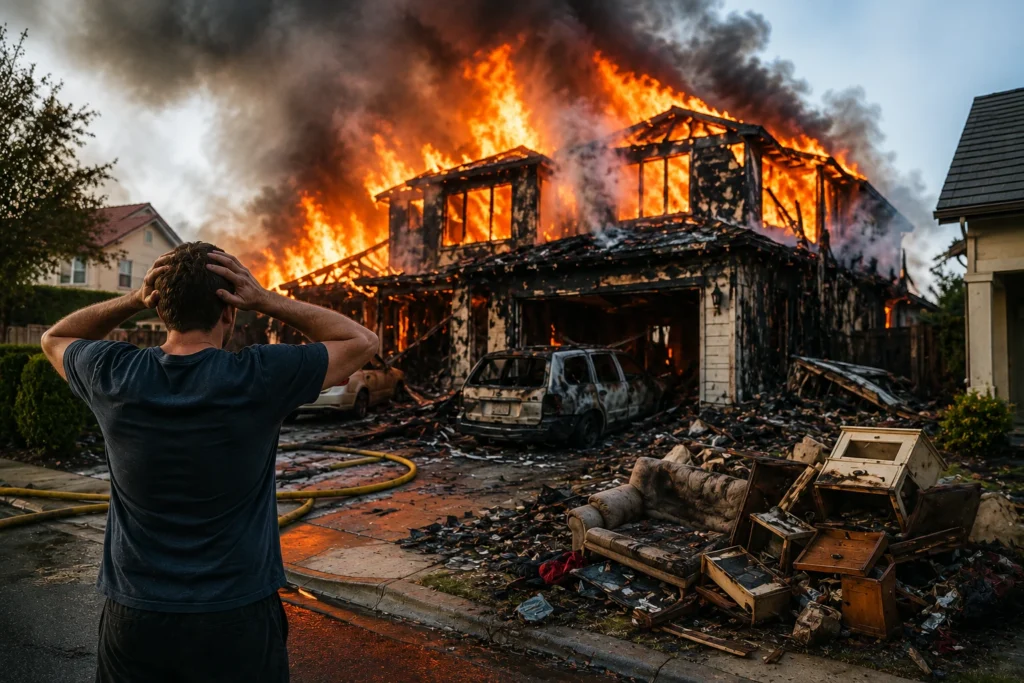
Here’s something many homeowners don’t realize. Sometimes the water causes nearly as much damage as the fire. Firefighters often use substantial amounts of water to suppress flames and protect neighboring structures. While these efforts save lives and property, they can create secondary damage throughout the building.
Common examples include:
- Saturated drywall
- Damaged flooring
- Collapsed ceilings
- Water-soaked insulation
- Damaged cabinetry
Water can also create conditions favorable for mold growth if mitigation does not begin quickly. Most fire claims involve both fire restoration and water mitigation services. Insurance coverage frequently extends to these secondary damages because they result directly from efforts to extinguish the fire.
Debris Removal Coverage
The destruction left behind after a fire can be overwhelming. Burned building materials. Charred furniture. Collapsed structural components. Damaged contents. All of it must be removed before rebuilding can begin.
Debris removal coverage helps pay for:
- Demolition
- Hauling debris
- Disposal fees
- Site cleanup
- Hazardous material handling
These expenses are often underestimated during the early stages of recovery. Yet they can represent a substantial portion of the total claim value.
Hidden Costs of Fire Recovery
When people ask, What Does Fire Insurance Actually Cover?, they often focus on visible repairs. The hidden expenses deserve equal attention. For example, many restoration projects require specialized cleaning procedures involving advanced techniques rooted in scientific disciplines such as thermodynamics. While homeowners do not need technical expertise to navigate a claim, understanding the complexity behind smoke movement, heat transfer, and contamination can help explain why restoration costs sometimes exceed expectations.
Beyond cleanup, expenses may include engineering evaluations, temporary protective measures, permit fees, environmental testing, and reconstruction planning. These costs can accumulate rapidly. Understanding their potential impact helps policyholders prepare for the realities of post-fire recovery.
Fire Department Service Charges
In some communities, fire department responses may generate service fees. Many homeowners are surprised to learn this. While municipal fire departments are often funded through taxes, certain jurisdictions and special districts may assess charges for emergency services under specific circumstances.
Fortunately, some insurance policies provide coverage for these expenses. Coverage varies by carrier and policy form, which makes reviewing your policy details important before a loss occurs. Although these costs may represent only a small portion of the overall claim, every dollar matters when recovering from a significant fire event.
Business Property Fire Coverage
Fire losses are not limited to homes. Businesses face many of the same risks, often on a much larger scale. A commercial fire can damage buildings, destroy inventory, interrupt operations, and create significant financial pressure for owners and employees alike.
Commercial property policies often provide protection for:
- Buildings
- Equipment
- Inventory
- Furniture
- Fixtures
- Technology systems
- Business records
However, coverage depends on policy terms, valuation methods, endorsements, and applicable exclusions. Business owners should periodically review their policies to ensure limits remain aligned with current property values and operational needs.
Business Interruption Coverage
The physical damage caused by a fire is only part of the story. The financial impact often continues long after the flames are extinguished. If a business cannot operate because of covered fire damage, business interruption coverage may help replace lost income during the restoration period.
Potential covered expenses may include:
- Lost revenue
- Payroll obligations
- Lease payments
- Loan payments
- Utility costs
- Other continuing operating expenses
For many businesses, this coverage can be just as important as property protection itself. Without it, even companies with adequate building coverage may struggle to survive prolonged closures.
What Fire Insurance Usually Does Not Cover
Many policyholders focus on what is covered. Understanding what is excluded is equally important. Insurance policies are contracts. Those contracts contain limitations, exclusions, and conditions that determine when coverage applies. While policy language varies, several exclusions appear regularly.
Intentional Fires and Arson
Insurance is designed to protect against accidental losses. It is not intended to reward intentional property destruction. If investigators determine that a policyholder deliberately caused a fire, coverage may be denied. Additionally, intentional acts can result in criminal prosecution and significant legal consequences. Insurance companies thoroughly investigate suspicious fire losses. Cause-and-origin investigations frequently involve engineers, fire investigators, and forensic specialists.
Neglect and Maintenance Issues
Insurance covers sudden accidental losses. It generally does not cover damage resulting from prolonged neglect.
Examples may include:
- Known electrical hazards left unrepaired
- Unsafe wiring conditions
- Chronic maintenance failures
- Repeated code violations
If a preventable hazard contributes significantly to a fire, coverage disputes may arise. This does not automatically mean a claim will be denied, but it can complicate the adjustment process.
Vacant Property Restrictions
Vacant properties present unique risks. As a result, many insurance policies impose special restrictions once a building remains unoccupied for an extended period.
Potential limitations may affect:
- Fire coverage
- Vandalism coverage
- Water damage coverage
- Theft protection
Property owners should always notify their insurance company if a structure will remain vacant for an extended period. Failing to do so could create unexpected coverage issues.
Illegal Activities
Insurance policies generally exclude losses arising from illegal activities.
Examples might include:
- Illegal manufacturing operations
- Criminal enterprises
- Certain prohibited uses of the property
Coverage determinations depend heavily on policy language and claim-specific facts.
Replacement Cost vs. Actual Cash Value
One of the most misunderstood aspects of fire insurance involves how losses are valued. Two homeowners can experience similar damage and receive very different settlements. The reason often comes down to valuation methods.
Replacement Cost Value (RCV)
Replacement Cost Value coverage generally pays the amount necessary to repair or replace damaged property with comparable materials at current market costs. Depreciation is not permanently deducted. This form of coverage often provides the greatest financial protection.
Actual Cash Value (ACV)
Actual Cash Value coverage considers depreciation. The older an item is, the lower its calculated value may become. As a result, claim payments can be significantly lower.
Consider the difference:
| Coverage Method | Example Outcome |
| Replacement Cost | Pays cost to purchase a similar new item |
| Actual Cash Value | Pays depreciated value based on age and condition |
Understanding which valuation method applies to your policy can dramatically affect recovery expectations.
How Fire Insurance Claims Are Investigated
After a fire occurs, the insurance company begins evaluating the loss. The process may seem straightforward from the outside. In reality, multiple layers of investigation often occur simultaneously.
Typical steps include:
- Initial claim reporting
- Property inspection
- Cause-and-origin investigation
- Documentation review
- Damage assessment
- Coverage analysis
- Settlement evaluation
The larger the loss, the more detailed the investigation typically becomes. Major commercial claims can remain under review for months.
Why Fire Claims Are Sometimes Delayed
Policyholders often become frustrated when claims move slowly. Several factors may contribute to delays.
Common examples include:
- Missing documentation
- Disputed repair scopes
- Cause-of-loss questions
- Contractor estimate disagreements
- Complex structural damage
- Large catastrophic events affecting many claims simultaneously
Delays do not automatically indicate bad faith. However, policyholders should remain actively involved and maintain detailed records throughout the process.
Documentation Is Your Best Friend
Strong documentation can significantly strengthen a fire claim. Before cleanup begins, property owners should gather as much evidence as possible.
Helpful documentation may include:
- Photos
- Videos
- Receipts
- Inventory records
- Contractor reports
- Temporary repair invoices
- Housing expense receipts
The more evidence available, the easier it becomes to support the full extent of the loss. Many claim disputes arise not because damage is absent, but because documentation is incomplete.
Common Mistakes Property Owners Make After a Fire
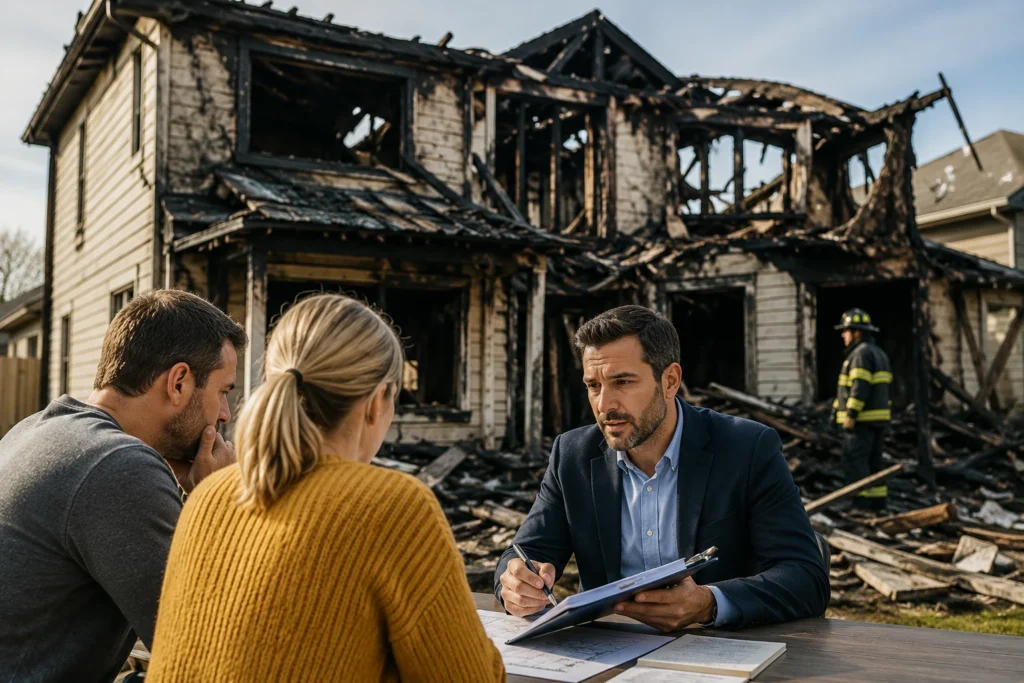
Recovering from a fire is stressful. Unfortunately, stress often leads to mistakes that can complicate the claims process.
Throwing Away Damaged Property Too Soon
Many items serve as evidence. Discarding them prematurely can make it harder to verify losses. Whenever possible, consult with the adjuster before disposal.
Failing to Create an Inventory
A complete inventory is one of the most valuable claim tools available. Without one, important losses may be overlooked.
Accepting the First Offer Without Review
Initial settlements are not always final. Policyholders should carefully evaluate estimates and scope details before accepting any payment.
Missing Important Deadlines
Insurance policies contain notice requirements and deadlines. Failure to comply can create unnecessary complications.
Not Reading the Policy
Many coverage disputes stem from misunderstandings. Knowing the policy’s provisions helps set realistic expectations and improves decision-making.
How Public Adjusters Help Fire Damage Claims
Fire claims can become extremely complex. Multiple contractors, consultants, restoration companies, engineers, and insurance representatives may become involved. This complexity often leads property owners to seek professional assistance. Public adjusters represent policyholders rather than insurance companies.
Their responsibilities may include:
- Reviewing policy language
- Documenting damages
- Preparing inventories
- Evaluating repair scopes
- Analyzing estimates
- Negotiating settlements
The goal is to ensure all covered damages receive appropriate consideration during the adjustment process.
Benefits of Professional Claim Representation
Not every fire claim requires outside assistance. However, larger losses often benefit from professional evaluation.
Potential advantages may include:
- More thorough damage documentation
- Identification of hidden losses
- Improved claim organization
- Better understanding of policy provisions
- Assistance during negotiations
When significant property damage occurs, even small omissions can have substantial financial consequences. Professional representation may help reduce that risk.
Fire Prevention Tips Every Property Owner Should Follow
While insurance provides financial protection, prevention remains the best strategy. A few proactive measures can significantly reduce fire risks.
Prioritize Electrical Safety
Schedule periodic inspections. Replace damaged wiring. Avoid overloaded circuits. Address electrical concerns promptly.
Maintain Smoke Detectors
Test smoke alarms regularly. Replace batteries as recommended. Install detectors in key areas throughout the property.
Practice Safe Cooking Habits
Never leave cooking unattended. Keep flammable materials away from heat sources. Maintain fire extinguishers in accessible locations.
Service Heating Equipment
Routine maintenance reduces the risk of mechanical failures and fire hazards.
Create a Home Inventory
Documenting belongings before a loss occurs may dramatically simplify the claims process.
Consider:
- Video walkthroughs
- Photographs
- Digital receipts
- Cloud storage backups
Preparation today can save countless hours later.
Fire Insurance Considerations for Duncanville Property Owners
Property owners in Duncanville face many of the same fire-related risks seen throughout Texas. Electrical issues, severe weather events, cooking accidents, and equipment failures can all contribute to property losses. Because rebuilding costs continue to fluctuate, annual policy reviews remain extremely important. Coverage that seemed adequate five years ago may no longer reflect current construction expenses.
Homeowners should periodically evaluate:
- Dwelling limits
- Personal property limits
- Additional living expense coverage
- Deductibles
- Endorsements
- Valuation methods
Maintaining updated records and inventories can also improve claim outcomes if a fire occurs. Preparation is far easier than reconstruction.
Final Thoughts
So, what is the answer to the question, What Does Fire Insurance Actually Cover? In most cases, fire insurance provides valuable protection for structural damage, personal belongings, smoke contamination, water damage resulting from firefighting efforts, debris removal, temporary living expenses, and certain business-related losses. However, every policy contains unique terms, exclusions, limits, and conditions that influence coverage.
Understanding What Does Fire Insurance Actually Cover? before disaster strikes allows homeowners and business owners to make informed decisions, identify potential coverage gaps, and prepare for the unexpected. Whether you own a home, rental property, or commercial building, reviewing your policy regularly is one of the smartest investments you can make. For property owners in Duncanville, taking the time to understand coverage today can make a tremendous difference tomorrow. When a fire occurs, knowledge is not just helpful—it can be one of your most valuable assets during recovery.
FAQs
Yes, most fire insurance policies cover smoke damage resulting from a covered fire, including cleaning, deodorization, and restoration costs.
Many policies include Additional Living Expenses coverage, which may help pay for temporary housing and other necessary costs while repairs are completed.
In most cases, furniture, clothing, electronics, and household items damaged by a covered fire are included under personal property coverage.
Yes, water damage resulting from firefighting efforts is often covered because it is directly related to extinguishing the covered fire.
Many policies provide coverage for other structures on the property, though separate limits usually apply.
High-value items such as jewelry, artwork, antiques, and collectibles often have special coverage limits unless additional endorsements are purchased.
Yes, claims may be denied for reasons such as intentional fires, fraud, certain policy exclusions, or failure to meet policy conditions.
Replacement cost pays to replace damaged property with similar new items, while actual cash value factors in depreciation.
The timeline varies depending on the complexity of the loss, the extent of damage, and the documentation required during the investigation.
A public adjuster can help document damages, review policy provisions, and negotiate with the insurance company, particularly for large or complex claims.