
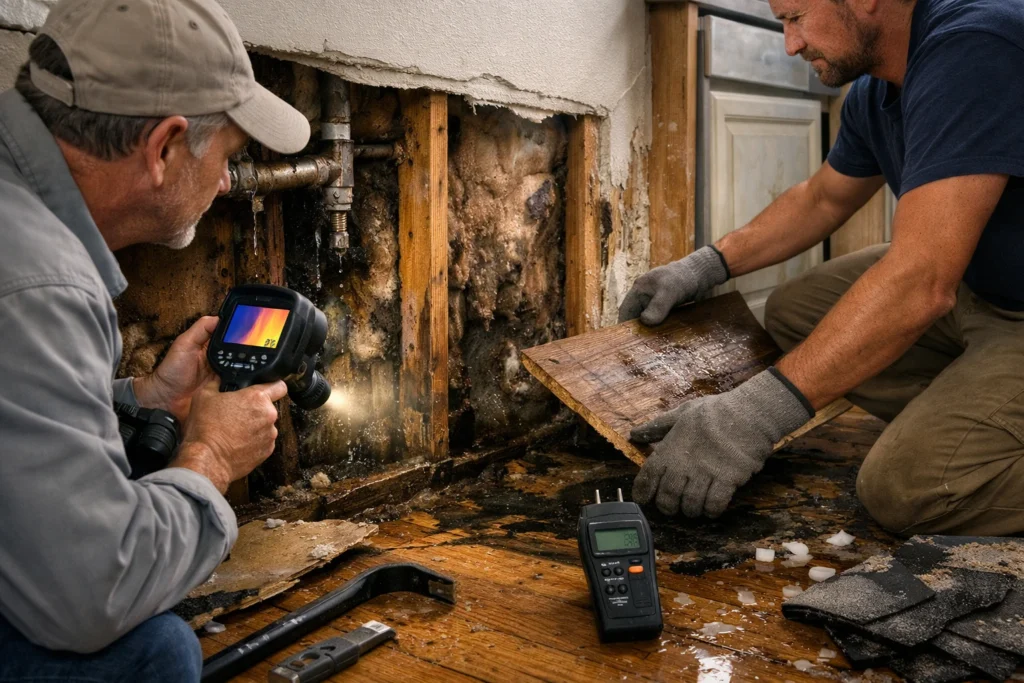
A burst pipe rarely gives much warning. One moment everything seems perfectly normal, and the next, water is pouring through ceilings, soaking hardwood floors, destroying drywall, and threatening treasured belongings. For homeowners facing Burst Pipe Insurance Claims Duncanville, TX, the first few hours often determine not only how much damage occurs but also how smoothly the insurance claim progresses. Acting quickly can minimize losses, preserve evidence, and strengthen your position throughout the claims process. Water has an incredible ability to travel. It doesn’t simply remain where the pipe burst. Instead, it seeps beneath flooring, behind walls, into insulation, through electrical pathways, and even into structural framing. Consequently, what appears to be a relatively small plumbing problem may quickly evolve into a major property restoration project involving multiple contractors, moisture specialists, and insurance adjusters.
From a scientific standpoint, water movement through porous building materials involves principles similar to Capillary Action, where moisture naturally migrates through tiny spaces inside materials. Although homeowners rarely need to understand the engineering behind moisture migration, recognizing how hidden water spreads helps explain why professional inspections often uncover damage far beyond the visible leak.
Insurance policies can certainly provide valuable financial protection, but filing a successful claim requires more than simply notifying the insurance company. Documentation matters. Timing matters. Thorough inspections matter even more. Every photograph, receipt, repair invoice, and moisture reading contributes to building a complete picture of the loss. Many policyholders assume their insurance company will automatically identify every damaged area during the inspection. While adjusters work hard to evaluate claims fairly, inspections occur under varying conditions, and hidden damage isn’t always immediately visible. As a result, homeowners who understand the claims process are often better prepared to ask informed questions and ensure the full scope of damage receives proper attention.
For property owners in Duncanville, burst pipe incidents can occur throughout the year. Winter freezes occasionally stress plumbing systems, while aging pipes, shifting foundations, excessive water pressure, and plumbing failures create risks regardless of the season. Every situation is unique, yet the overall insurance process follows many of the same principles. This guide explains every stage of Burst Pipe Insurance Claims Duncanville, TX, from the moment water begins leaking until repairs are complete. Along the way, you’ll learn practical strategies that may help reduce delays, strengthen documentation, and improve communication throughout the claims process.
What Is a Burst Pipe Insurance Claim?
A burst pipe insurance claim is a request for compensation submitted to an insurance company after plumbing failure causes sudden and accidental water damage. Depending on the policy language, coverage may include structural repairs, personal belongings, emergency mitigation services, temporary housing, and additional expenses directly related to the loss. However, not every plumbing leak qualifies for coverage. Insurance companies generally distinguish between sudden accidental events and damage resulting from gradual deterioration. This distinction becomes one of the first issues reviewed during the investigation.
For example, a pipe that unexpectedly ruptures overnight differs significantly from a slow leak that has been dripping behind a wall for several months. While the first scenario may qualify for coverage under many homeowners policies, the second may be considered preventable maintenance rather than an insured event. Because of this difference, insurers frequently examine the cause of the plumbing failure before determining the extent of available coverage.
Common Causes of Burst Pipes
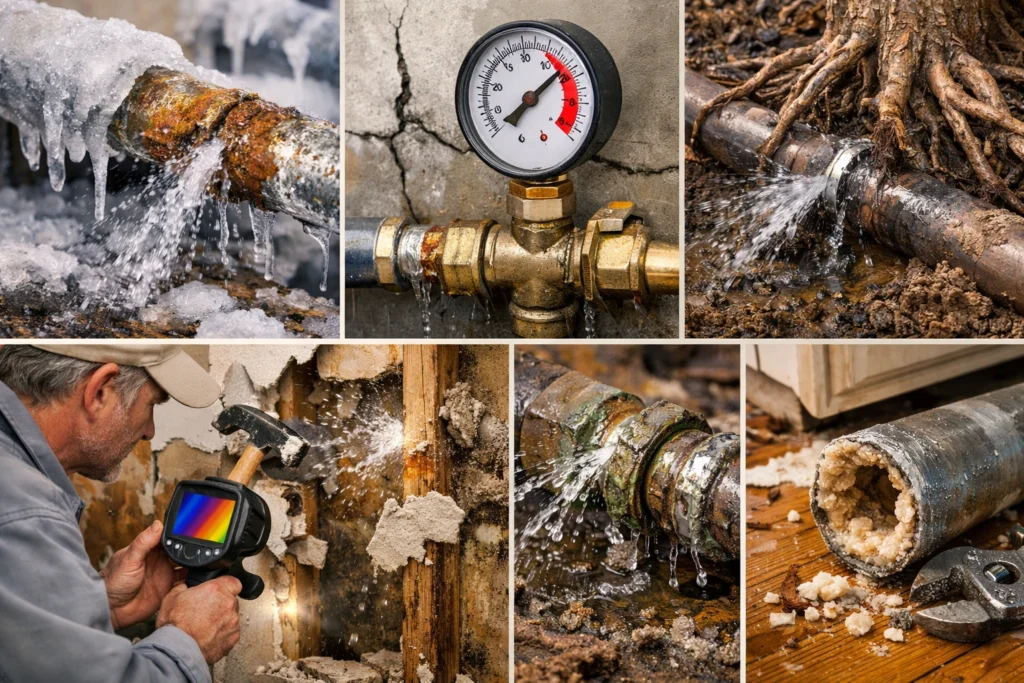
Although freezing weather receives considerable attention, many plumbing failures have nothing to do with cold temperatures. Instead, several different conditions may weaken pipes over time until failure eventually occurs.
Common causes include:
- Freezing temperatures
- Corroded plumbing lines
- Aging galvanized pipes
- Excessive water pressure
- Foundation movement
- Poor installation practices
- Construction damage
- Tree root intrusion
- Pipe joint failures
- Manufacturing defects
- Accidental impacts during remodeling
- Internal mineral buildup
Each cause presents unique challenges during both repairs and insurance evaluation.
Why Burst Pipes Cause Extensive Property Damage
Water is remarkably destructive because it rarely stays in one place. Gravity immediately pulls moisture downward, while building materials absorb water in multiple directions. Consequently, damage often spreads far beyond the original plumbing failure before homeowners even realize something is wrong. Consider how quickly moisture affects various portions of a home.
| Area Affected | Potential Damage |
| Ceilings | Sagging drywall, staining, collapse |
| Interior Walls | Wet insulation, drywall deterioration |
| Hardwood Flooring | Buckling, cupping, separation |
| Carpet | Water saturation, odors |
| Cabinets | Swelling, delamination |
| Electrical Components | Safety concerns, corrosion |
| HVAC Systems | Moisture contamination |
| Personal Belongings | Water damage and staining |
Even a relatively small pipe can release hundreds of gallons of water if the leak remains unnoticed for several hours. The situation becomes even more serious when water enters concealed building cavities. Moisture trapped behind walls may remain hidden long after visible surfaces appear dry, allowing deterioration to continue unnoticed unless specialized drying equipment and moisture meters are used. Consequently, professional water mitigation often begins immediately after emergency plumbing repairs.
Does Homeowners Insurance Cover Burst Pipe Damage?
One of the first questions homeowners ask is whether insurance actually covers burst pipes. The answer depends largely on policy language and the circumstances surrounding the plumbing failure. Many homeowners policies provide coverage when water damage results from a sudden and accidental pipe burst. Coverage commonly extends beyond the broken pipe itself and may include repairs to affected portions of the home.
Potentially covered losses often include:
- Drywall replacement
- Ceiling repairs
- Flooring replacement
- Cabinet repairs
- Interior painting
- Insulation replacement
- Personal property damage
- Water mitigation services
- Temporary housing expenses
- Debris removal
However, insurance coverage does have limitations. If investigators determine that the damage resulted from long-term neglect, repeated unresolved leaks, or deferred maintenance, portions of the claim may be questioned or denied.
Examples that sometimes create coverage disputes include:
- Chronic plumbing leaks
- Rusted pipes that failed over many years
- Lack of reasonable maintenance
- Previously repaired leaks that continued unnoticed
- Failure to protect pipes during freezing weather when reasonable precautions were available
Understanding these distinctions helps homeowners recognize why documentation surrounding the event becomes so important.
Immediate Steps to Take After a Pipe Bursts
The moments immediately following a burst pipe can feel overwhelming. Fortunately, a systematic response often reduces additional damage while protecting the insurance claim. The following checklist provides a practical starting point.
1. Shut Off the Water Supply
Stopping the flow of water should always become the highest priority. Locate the home’s main shutoff valve and close it immediately if possible.
2. Turn Off Electricity When Necessary
If water approaches electrical outlets, breaker panels, or appliances, avoid entering flooded areas until electrical hazards have been addressed safely. Personal safety always comes first.
3. Contact an Emergency Plumber
Stopping the leak prevents additional property damage and allows restoration work to begin sooner. Keep copies of all plumbing invoices.
4. Document Everything Before Cleanup
Take numerous photographs and videos before removing damaged materials whenever practical.
Capture:
- Standing water
- Ceiling damage
- Flooring
- Wet furniture
- Damaged electronics
- Plumbing failure
- Water stains
- Exterior conditions if relevant
Wide-angle images and close-up photographs both provide valuable documentation.
5. Protect Undamaged Property
Move furniture, electronics, important documents, artwork, and sentimental belongings away from affected areas whenever possible. Simple actions performed early may prevent thousands of dollars in additional losses.
6. Begin Water Mitigation Quickly
Standing water should never remain inside a building longer than necessary. Professional drying equipment, commercial air movers, and industrial dehumidifiers help reduce ongoing moisture exposure.
7. Notify Your Insurance Company
Report the claim promptly.
Provide accurate information while avoiding speculation regarding the cause if it has not yet been confirmed.
8. Save Every Receipt
Expenses commonly include:
- Emergency plumbing
- Hotel stays
- Temporary meals
- Equipment rental
- Cleaning supplies
- Water mitigation
- Storage units
Many policies reimburse covered emergency expenses.
9. Preserve Damaged Materials
Do not dispose of damaged flooring, drywall, or plumbing components until instructed that documentation is complete. These materials may become valuable evidence during the investigation.
10. Create a Detailed Inventory
List damaged belongings room by room.
Whenever possible include:
- Purchase dates
- Estimated values
- Photographs
- Model numbers
- Serial numbers
- Receipts
Detailed inventories frequently simplify later stages of the claims process.
How Insurance Companies Investigate Burst Pipe Claims
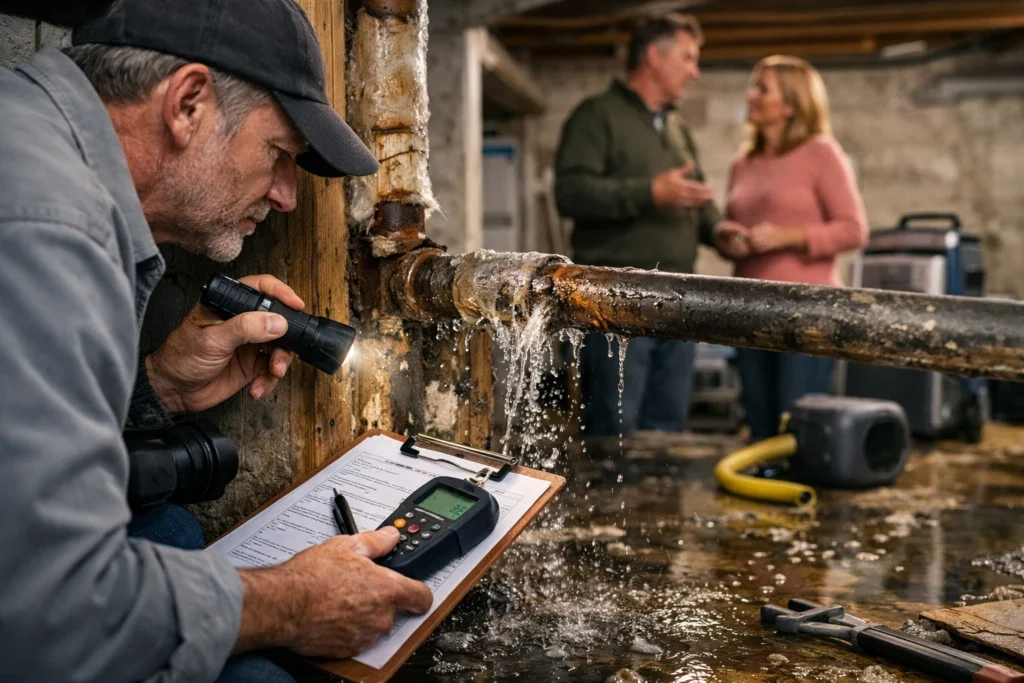
Many homeowners imagine the insurance process involves a single inspection followed by a settlement offer. In reality, investigations often involve multiple stages that evaluate both the cause of the plumbing failure and the full extent of resulting damage. Understanding these steps helps reduce uncertainty while setting realistic expectations.
Initial Claim Review
After receiving notice of the loss, the insurance company creates a claim file and assigns an adjuster.
Basic information typically includes:
- Date of loss
- Cause of damage
- Property location
- Initial description
- Emergency repairs completed
- Current living conditions
Additional documentation requests often follow shortly afterward.
Property Inspection
Next comes the physical inspection. During this visit, adjusters examine visible damage throughout the property while documenting affected rooms, damaged finishes, and emergency mitigation efforts.
Typical inspection activities include:
- Photographing damaged areas
- Measuring affected rooms
- Reviewing plumbing repairs
- Inspecting ceilings and walls
- Evaluating flooring damage
- Checking cabinetry
- Assessing visible moisture
Depending on the severity of the loss, multiple inspections may occur.
Cause Determination
One of the most important questions involves determining exactly why the pipe failed.
Investigators may review:
- Plumbing reports
- Repair invoices
- Pipe condition
- Weather history
- Maintenance records
- Photographs of failed plumbing
- Contractor observations
Establishing whether the event was sudden or gradual often influences coverage decisions.
Moisture Mapping
Visible damage tells only part of the story. Professional restoration companies frequently perform moisture mapping using specialized equipment that detects elevated moisture levels hidden behind finished surfaces.
These inspections help identify:
- Wet insulation
- Saturated framing
- Hidden ceiling moisture
- Damp flooring systems
- Moisture trapped beneath cabinets
- Water migration into adjacent rooms
Accurate moisture mapping reduces the likelihood that concealed damage remains untreated.
Repair Estimates
After documenting damages, repair estimates begin taking shape.
These estimates typically include:
- Demolition
- Drywall replacement
- Flooring repairs
- Cabinet restoration
- Painting
- Trim replacement
- Electrical repairs
- Plumbing restoration
- Cleaning services
Large claims sometimes require input from multiple contractors before the repair scope becomes fully established.
Coverage Analysis
Finally, adjusters compare documented damages with policy provisions. This stage reviews covered losses, exclusions, deductibles, depreciation where applicable, and policy limits before a settlement evaluation is prepared.
Although many claims move smoothly through this process, others require supplemental inspections as additional damage becomes visible during demolition and reconstruction. Remaining organized, responsive, and well-documented throughout each phase helps create a stronger foundation for the remainder of the claim.
Understanding Hidden Water Damage
Once the broken pipe has been repaired and standing water has been removed, many homeowners breathe a sigh of relief. Unfortunately, the work is often just beginning. Water has a remarkable ability to hide inside building materials where it cannot be seen with the naked eye. Although walls and floors may appear dry within a day or two, moisture can remain trapped beneath finished surfaces for weeks if proper drying procedures are not followed.
Consequently, restoration professionals rarely rely on visual inspections alone. Instead, they use moisture meters, thermal imaging cameras, and humidity measurements to identify hidden areas requiring additional drying.
Common locations where concealed moisture is discovered include:
- Behind drywall
- Under hardwood flooring
- Beneath tile underlayment
- Inside insulation
- Behind kitchen cabinets
- Under bathroom vanities
- Within crawl spaces
- Around HVAC ductwork
- Inside ceiling cavities
Ignoring these hidden areas can create expensive problems later. Moisture that remains trapped inside building materials may contribute to wood deterioration, insulation failure, unpleasant odors, staining, and microbial growth. Even when no immediate signs are visible, hidden moisture can continue affecting the property’s structural components long after emergency cleanup appears complete. For homeowners dealing with Burst Pipe Insurance Claims Duncanville, TX, ensuring hidden moisture is properly documented often becomes just as important as documenting visible damage.
Documentation That Strengthens Your Insurance Claim
Insurance companies evaluate claims based largely on evidence. The stronger the documentation, the easier it becomes to demonstrate the full extent of the damage and justify repair costs. Good records also reduce misunderstandings if questions arise later during the adjustment process.
Begin documenting immediately after the loss whenever it is safe to do so. Photograph every affected room from multiple angles before cleanup begins. Continue taking photographs throughout mitigation and reconstruction so there is a complete visual timeline of the project.
Helpful documentation includes:
- Photographs before mitigation
- Videos showing active water intrusion
- Emergency plumbing invoices
- Water mitigation reports
- Moisture mapping results
- Contractor estimates
- Personal property inventories
- Purchase receipts
- Hotel expenses
- Temporary housing costs
- Utility interruption documentation
- Communication logs with the insurance company
The following checklist can help organize claim information.
| Documentation | Why It Matters |
| Photos | Establishes the initial condition |
| Videos | Shows active water damage |
| Plumber Report | Identifies cause of failure |
| Mitigation Invoice | Documents emergency response |
| Moisture Readings | Confirms hidden water |
| Repair Estimates | Supports rebuilding costs |
| Receipts | Verifies reimbursable expenses |
| Inventory List | Values damaged belongings |
| Communication Records | Creates a timeline of the claim |
Maintaining organized records often saves considerable time if supplemental information is requested later.
Common Reasons Burst Pipe Insurance Claims Become Underpaid
Most insurance claims are handled professionally. Nevertheless, disagreements sometimes develop regarding the amount necessary to restore the property properly. These situations do not always indicate wrongdoing. Instead, they often result from differing opinions regarding repair scope, pricing, or hidden damage. Understanding common areas of disagreement helps homeowners review settlement offers more carefully.
Hidden Damage Was Not Initially Visible
During the first inspection, portions of the home may still be intact. Only after damaged drywall or flooring is removed do contractors discover additional wet insulation, framing, or subfloor materials requiring replacement. These supplemental damages may require updated estimates.
Incomplete Repair Scope
Water rarely damages just one material. For example, replacing flooring alone may not address damaged baseboards, underlayment, transition strips, cabinets, or adjacent finishes. Consequently, repair estimates sometimes need revisions as demolition progresses.
Low Repair Pricing
Repair costs vary considerably between contractors. If pricing used during claim preparation differs substantially from actual local construction costs, settlement amounts may require adjustment to reflect realistic rebuilding expenses.
Missing Code-Related Repairs
Building codes evolve over time. Older homes may require certain upgrades when substantial repairs occur. Depending on policy provisions, some of these additional costs may qualify for coverage.
Depreciation Disputes
Certain policy provisions reduce payment for older materials through depreciation calculations. Understanding whether replacement cost coverage or actual cash value applies helps homeowners better understand their settlement.
Personal Property Valuation
Furniture, electronics, clothing, artwork, and household goods often require individual valuation. Incomplete inventories sometimes result in lower reimbursement than expected.
Drying and Mitigation Costs
Professional water mitigation involves specialized equipment, monitoring visits, and detailed drying documentation. These costs occasionally become discussion points during claim evaluation. Carefully reviewing every estimate allows homeowners to identify questions before repairs move forward.
Understanding Water Mitigation vs. Restoration
Many people use the terms interchangeably. However, water mitigation and restoration describe two distinct phases of recovery. Knowing the difference helps homeowners understand where insurance payments are being applied.
Water Mitigation
Mitigation focuses on limiting additional damage immediately after the loss. Its primary objective is stabilization.
Typical mitigation services include:
- Emergency water extraction
- Pumping standing water
- Industrial drying
- Dehumidification
- Moisture monitoring
- Temporary demolition
- Mold prevention measures
- Protective coverings
Mitigation occurs first because delaying these services may significantly increase overall damage.
Restoration
Restoration begins after moisture levels have returned to acceptable ranges. This phase rebuilds the home.
Restoration commonly includes:
- Drywall installation
- Insulation replacement
- Flooring installation
- Cabinet replacement
- Interior painting
- Trim installation
- Ceiling repairs
- Electrical repairs
- Finish carpentry
- Final cleaning
Understanding this sequence helps explain why reconstruction may not begin immediately after water extraction has finished. By the time homeowners reach this stage, they often realize that recovering from a burst pipe involves much more than simply replacing a broken section of plumbing. In many respects, The Smart Homeowner’s Playbook is built on patience, detailed documentation, and informed decision-making throughout every phase of restoration.
How Public Adjusters Help with Burst Pipe Insurance Claims
Large water losses often involve numerous contractors, restoration companies, engineers, and insurance representatives. Keeping everything organized can quickly become challenging. A public adjuster represents the policyholder rather than the insurance company. Their role centers on evaluating damages, reviewing policy provisions, preparing documentation, and assisting throughout the claims process.
Services commonly include:
- Reviewing insurance policies
- Inspecting property damage
- Preparing independent repair scopes
- Evaluating contractor estimates
- Documenting overlooked damage
- Organizing claim records
- Assisting with supplemental claims
- Negotiating settlement issues
- Coordinating communication between involved parties
Every claim differs, and the level of assistance needed depends on the complexity of the loss. For many homeowners in Duncanville, professional guidance provides additional confidence when navigating a complicated insurance claim involving extensive water damage.
Residential vs. Commercial Burst Pipe Claims
Although burst pipes affect both homes and businesses, commercial losses often involve additional layers of complexity. Business interruption, specialized equipment, tenant improvements, and operational downtime frequently expand the overall scope of the claim. The following comparison illustrates several common differences.
| Residential Claims | Commercial Claims |
| Living areas | Office spaces |
| Household belongings | Business equipment |
| Furniture | Inventory |
| Temporary housing | Operational interruption |
| Family displacement | Employee considerations |
| Personal possessions | Customer impacts |
Commercial claims frequently require additional documentation related to lost operations, equipment replacement, and business continuity planning.
Preventing Future Burst Pipe Losses
Although no plumbing system lasts forever, proactive maintenance significantly reduces the likelihood of unexpected failures. Routine inspections often identify small issues before they become major emergencies.
Helpful preventive measures include:
- Insulate exposed plumbing
- Maintain consistent indoor temperatures during winter
- Repair small leaks promptly
- Monitor water pressure
- Replace aging plumbing components
- Schedule periodic plumbing inspections
- Install leak detection systems
- Consider automatic water shutoff devices
- Inspect crawl spaces regularly
- Address foundation movement when necessary
Preventive maintenance generally costs far less than repairing extensive water damage.
Frequently Overlooked Costs After a Burst Pipe
Many homeowners focus primarily on visible repairs. However, numerous secondary expenses may arise throughout the restoration process.
Examples include:
- Mold testing
- Air quality assessments
- Engineering consultations
- Temporary storage
- Hotel accommodations
- Laundry expenses
- Content cleaning
- Furniture restoration
- Permit fees
- Debris disposal
- Flooring transitions
- Paint matching
- Cabinet finish matching
- Appliance reconnection
- Final cleaning services
While some of these expenses may qualify under certain insurance policies, coverage depends on the policy language and circumstances surrounding the loss. Keeping detailed receipts for every expense makes later reimbursement discussions much easier.
Final Thoughts
A burst pipe can disrupt daily life in a matter of minutes, but the insurance claim that follows may continue for weeks or even months. Remaining organized from the beginning helps protect both the property and the claim itself. Successful Burst Pipe Insurance Claims Duncanville, TX are built on prompt action, thorough documentation, careful inspections, and a complete understanding of the damage not just what is immediately visible. Hidden moisture, supplemental repairs, and overlooked costs all deserve careful attention before reconstruction is considered complete.
Whether the damage affects a single room or an entire property, homeowners who stay informed are better equipped to make confident decisions throughout the recovery process. By responding quickly, preserving evidence, maintaining accurate records, and seeking experienced guidance when needed, property owners can move through the claims process with greater clarity and work toward restoring their homes as efficiently as possible.
FAQs
Many homeowners insurance policies cover sudden and accidental burst pipe damage, but coverage depends on the policy terms and the cause of the loss.
Report the claim as soon as possible after stopping the water and addressing any immediate safety concerns to help prevent unnecessary delays.
Take clear photos and videos of all affected areas and belongings before cleanup begins, as this documentation can support your insurance claim.
If your home becomes uninhabitable due to a covered loss, your policy may include Additional Living Expenses (ALE) to help cover temporary accommodations.
Yes, hidden damage may be covered if it results from the same covered event and is properly identified and documented during the restoration process.
Claims may be underpaid because of missed hidden damage, incomplete repair estimates, depreciation, or disagreements about the scope of repairs.
Yes. Whenever possible, keep damaged materials until your insurance company or adjuster has completed the necessary inspections.
Water mitigation focuses on stopping further damage and drying the property, while restoration involves repairing and rebuilding the damaged areas.
A public adjuster works on behalf of the policyholder by documenting damage, reviewing the policy, preparing estimates, and negotiating with the insurance company.
Regular plumbing inspections, insulating exposed pipes, monitoring water pressure, and repairing minor leaks promptly can significantly reduce the risk of future pipe failures.