
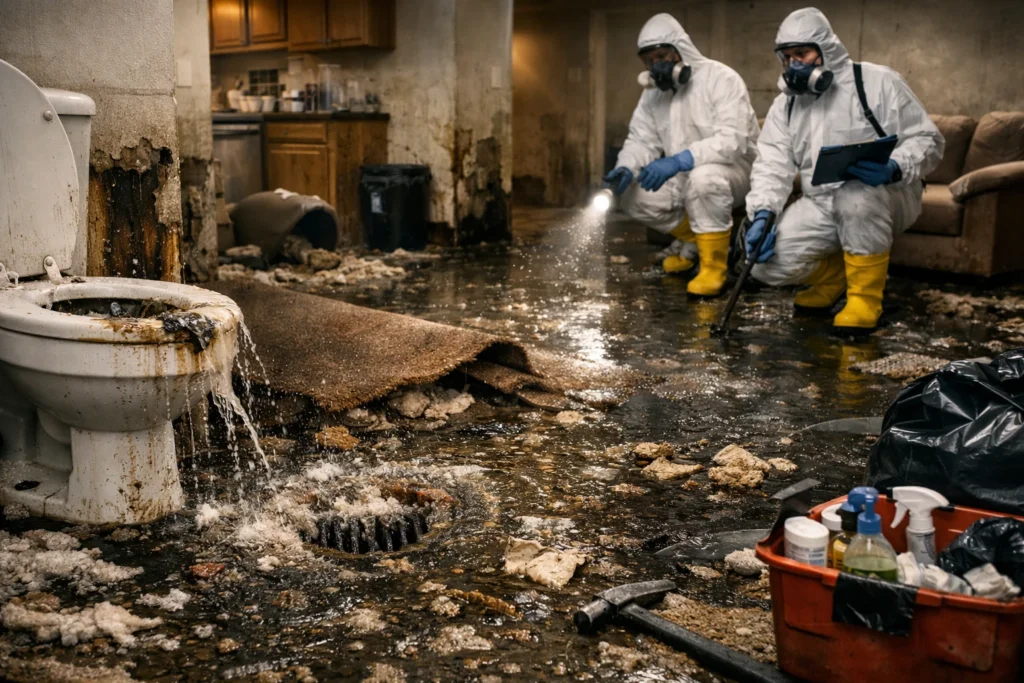
A sewage backup can turn an ordinary day into a stressful and expensive ordeal within minutes. Contaminated water spreads quickly, damages building materials, ruins personal belongings, and creates serious health concerns that demand immediate attention. Beyond the cleanup, many property owners soon discover that Sewage Backup Insurance Claims are often more complicated than expected. Coverage limitations, documentation requirements, and settlement negotiations can all influence the amount an insurance company ultimately pays. Understanding the claims process from the very beginning helps homeowners and business owners make informed decisions that protect both their property and their financial recovery.
Unlike clean water leaks from a supply pipe, sewage backups involve contaminated wastewater that requires specialized restoration methods. Consequently, insurance companies typically investigate these claims more thoroughly. Every decision made after discovering the damage—from documenting the loss to hiring restoration professionals—can affect the final settlement. Rather than reacting under pressure, preparing for each stage of the process allows property owners to recover more efficiently.
For many residents in Duncanville, severe storms, aging infrastructure, plumbing failures, and unexpected sewer line blockages can all contribute to sewage backup incidents. While every claim differs, understanding how insurers evaluate damage can significantly improve the outcome.
Understanding Sewage Backup Damage
Not every water loss involves clean water. In fact, sewage backups represent one of the most hazardous types of property damage because they introduce contaminated wastewater into living or working spaces. As a result, restoration extends well beyond drying wet materials.
Professional remediation often includes sanitization, removal of contaminated building components, odor treatment, and moisture control. Each step plays a vital role in returning the property to a safe condition.
What Is a Sewage Backup?
A sewage backup occurs when wastewater reverses direction and flows back into a building through drains, toilets, floor drains, sinks, or plumbing fixtures. Instead of safely exiting the property, wastewater re-enters occupied spaces carrying bacteria, viruses, chemicals, and organic waste.
Several situations can trigger this type of loss. Sometimes the problem originates within the property’s plumbing system. In other cases, municipal sewer systems become overwhelmed during periods of heavy rainfall or infrastructure failure.
Regardless of the source, contaminated water should always be treated as a serious health hazard.
Common Causes of Sewage Backups
Many different conditions contribute to sewage backup losses. Understanding these causes may also help property owners reduce future risks.
Some of the most common causes include:
- Tree roots invading underground sewer lines
- Grease accumulation inside drain pipes
- Flushing inappropriate materials
- Aging or deteriorated sewer infrastructure
- Collapsed sewer lines
- Heavy rainfall exceeding municipal sewer capacity
- Septic system failures
- Construction damage to underground utilities
Although some issues develop gradually over many years, others occur suddenly without any visible warning.
Why Sewage Damage Is So Dangerous
Unlike ordinary water damage, sewage contamination contains numerous harmful microorganisms that can spread throughout a structure. Flooring, drywall, insulation, furniture, and personal belongings may absorb contaminants quickly.
Potential hazards include:
| Hazard | Potential Impact |
| Bacteria | Increased illness risk |
| Viruses | Potential health exposure |
| Mold Growth | Secondary property damage |
| Structural Moisture | Material deterioration |
| Strong Odors | Persistent indoor air quality issues |
| Contaminated Debris | Extensive cleanup requirements |
Because contaminants often penetrate porous materials, simply drying affected areas rarely resolves the problem.
What Damage Can a Sewage Backup Cause?
The visible water on the floor rarely represents the full extent of the damage. Instead, contaminated moisture frequently migrates behind walls, beneath flooring, inside insulation, and into structural framing.
Consequently, professional inspections become essential for accurately documenting losses.
Structural Damage
Building materials vary in their ability to withstand contaminated water. While some non-porous surfaces may be disinfected successfully, many porous materials require complete replacement.
Common structural components affected include:
- Hardwood flooring
- Laminate flooring
- Carpet and padding
- Drywall
- Baseboards
- Interior doors
- Cabinets
- Insulation
- Subflooring
- Wall framing
Even if these materials appear dry later, contamination may remain trapped inside.
Personal Property Damage
Household belongings often sustain significant losses following a sewage backup.
Depending on contamination levels, affected property may include:
- Sofas
- Mattresses
- Area rugs
- Clothing
- Shoes
- Electronics
- Books
- Children’s toys
- Family photographs
- Kitchen appliances
Insurance companies frequently evaluate each category separately, making thorough documentation especially important.
Hidden Damage Often Goes Undetected
One of the biggest challenges involves damage that remains invisible after initial cleanup.
Moisture can migrate:
- Behind drywall
- Under tile flooring
- Beneath hardwood floors
- Inside cabinetry
- Around plumbing penetrations
- Into ceiling cavities
- Behind insulation
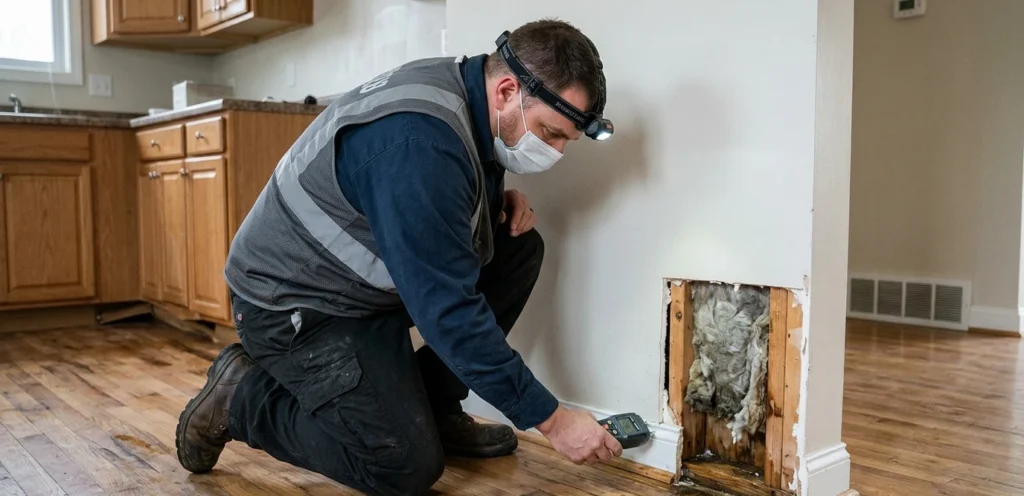
Without proper moisture mapping equipment, these hidden areas may escape detection during early inspections.
Does Homeowners Insurance Cover Sewage Backup?
Many homeowners assume every water loss falls under their standard insurance policy.
Unfortunately, that assumption often leads to unpleasant surprises.
Coverage for sewage backups varies significantly depending on the policy language, endorsements, exclusions, and coverage limits purchased before the loss occurred.
Understanding these distinctions before filing a claim can prevent confusion later.
Standard Homeowners Policies
A typical homeowners insurance policy may cover sudden and accidental water damage under certain circumstances. However, sewage backup losses frequently require additional policy endorsements.
Without that endorsement, coverage may be limited or excluded entirely.
Because every policy differs, reviewing the declarations page and endorsements carefully is one of the first steps after discovering damage.
Sewer Backup Endorsements
Many insurers offer optional sewer or water backup endorsements that expand coverage.
These endorsements may help pay for:
- Structural repairs
- Contents replacement
- Cleanup expenses
- Water extraction
- Sanitization
- Debris removal
- Temporary living expenses in qualifying situations
Coverage limits often range from several thousand dollars to substantially higher amounts depending on the policy.
Water Damage Is Not Always the Same
Insurance policies frequently distinguish between different sources of water damage.
The differences matter because coverage can change dramatically.
| Water Source | Typical Coverage Considerations |
| Burst Pipe | Often covered |
| Appliance Leak | Often covered |
| Sewer Backup | Usually requires endorsement |
| Flood Water | Typically requires separate flood insurance |
Understanding the source of water remains one of the first questions insurance adjusters investigate.
Commercial Property Sewage Backup Claims
Businesses face additional challenges when sewage backups interrupt daily operations.
Every hour spent closed can result in lost revenue, disrupted customer relationships, payroll complications, and additional operating expenses.
Consequently, commercial claims often involve multiple categories of loss beyond physical property damage.
Businesses Commonly Affected
Sewage backups can impact nearly every industry.
Examples include:
- Restaurants
- Medical offices
- Retail stores
- Warehouses
- Hotels
- Apartment complexes
- Manufacturing facilities
- Professional offices
Each property type presents unique restoration requirements and insurance considerations.
Business Interruption Losses
Property damage is only part of the financial impact.
Business interruption coverage may help compensate for:
- Lost income
- Temporary relocation expenses
- Ongoing payroll
- Additional operating costs
- Equipment rentals
- Temporary office space
Accurately calculating these losses often requires detailed financial documentation.
The Sewage Backup Insurance Claims Process
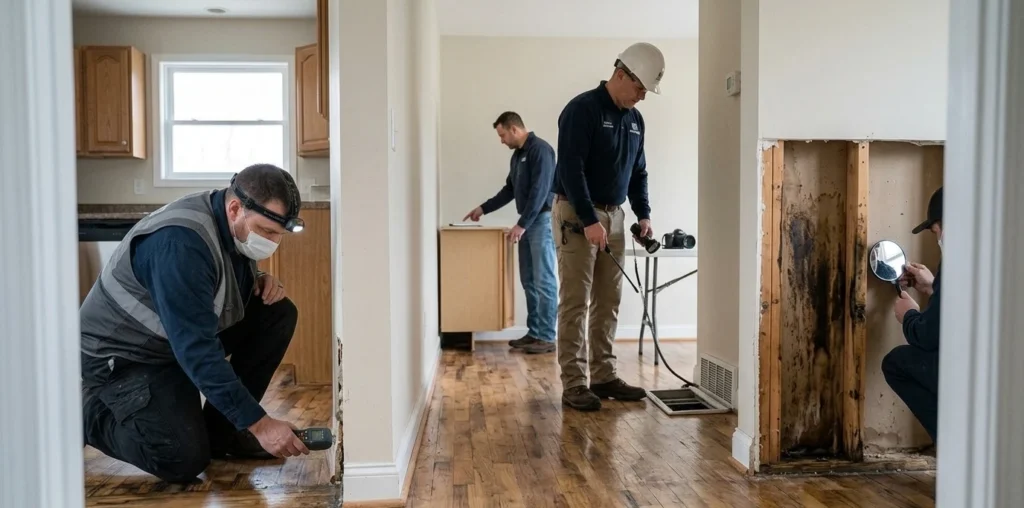
Filing Sewage Backup Insurance Claims involves much more than reporting the loss.
Insurance companies typically conduct multiple evaluations before determining settlement amounts. Therefore, every stage deserves careful attention.
Step 1: Protect Everyone’s Safety
Human safety always comes first.
Avoid entering contaminated areas unless absolutely necessary.
If electrical hazards exist, shut off power only when it can be done safely.
Children, elderly family members, and pets should remain away from affected spaces until professionals determine conditions are safe.
Step 2: Prevent Additional Damage
Most insurance policies require property owners to take reasonable steps to reduce further damage after a covered loss.
Examples include:
- Stopping active leaks
- Removing standing water when safe
- Ventilating unaffected areas
- Contacting emergency restoration services
- Protecting undamaged belongings
However, avoid making permanent repairs before documenting the damage thoroughly.
Step 3: Document Every Area
Documentation remains one of the strongest components of successful Sewage Backup Insurance Claims.
Photograph everything before cleanup begins whenever possible.
Capture:
- Wide-angle room photos
- Close-up damage images
- Water lines
- Damaged contents
- Flooring conditions
- Wall damage
- Plumbing fixtures
- Exterior drainage conditions if applicable
Videos often provide additional context that still photographs cannot fully capture.
Step 4: Notify the Insurance Company
Report the claim as soon as practical.
When speaking with the insurer, record:
- Claim number
- Adjuster’s name
- Date and time of communication
- Instructions received
- Scheduled inspection dates
Maintaining organized records can simplify future discussions if disputes arise.
Step 5: Emergency Mitigation
Professional restoration companies often perform emergency services immediately after a sewage backup.
These services may include:
- Water extraction
- Removal of contaminated materials
- Structural drying
- Air filtration
- Dehumidification
- Sanitization
- Odor treatment
Quick action not only protects the property but may also reduce overall claim costs.
Step 6: Insurance Inspection
The insurance adjuster typically schedules a property inspection to evaluate both the cause and extent of damage.
During this visit, the adjuster may:
- Photograph affected areas
- Measure damaged rooms
- Review restoration reports
- Examine plumbing systems
- Discuss the timeline of events
- Request additional documentation
Property owners should accompany the inspection whenever possible to ensure all damaged areas receive attention.
Step 7: Repair Estimates
After inspections conclude, repair estimates become a central part of settlement negotiations.
Independent contractor estimates frequently help establish realistic repair costs.
Depending on the size of the claim, multiple estimates may be appropriate.
Documentation That Strengthens Sewage Backup Insurance Claims
Strong documentation often separates straightforward claims from prolonged disputes.
Insurance companies rely heavily on evidence when determining both coverage and repair costs. Therefore, organized records create a stronger foundation for negotiations.
Helpful documentation includes:
- Detailed photographs before cleanup
- Video walkthroughs of affected rooms
- Moisture meter readings
- Professional restoration reports
- Plumbing inspection reports
- Emergency mitigation invoices
- Contractor repair estimates
- Personal property inventories
- Receipts for damaged belongings
- Temporary housing expenses, when applicable
By maintaining thorough documentation from the first day of the loss, property owners place themselves in a much stronger position throughout the entire claims process.
In particularly complex losses, restoration specialists may perform advanced material testing to evaluate contamination levels. Understanding concepts such as Chromatography can provide insight into how laboratories separate and analyze chemical compounds during certain environmental assessments. Although homeowners rarely need scientific expertise, recognizing the role of laboratory analysis can make technical reports easier to understand when they become part of an insurance file.
How Insurance Companies Evaluate Sewage Backup Claims
Once documentation has been submitted, the insurance company begins a detailed review of the loss. Contrary to what many people expect, adjusters do not simply total repair invoices and issue payment. Instead, they evaluate several factors before determining what the policy may cover.
This review typically includes the cause of the loss, policy language, repair costs, depreciation, and whether all claimed damages resulted directly from the sewage backup. Because of this layered approach, Sewage Backup Insurance Claims often require patience and thorough documentation.
Cause of Loss Investigation
Before approving payment, insurers generally determine why the sewage backup occurred.
They may investigate:
- Whether the backup originated inside or outside the property
- If the sewer line failed because of wear and tear
- Whether tree roots or construction damage contributed
- If heavy rainfall overwhelmed municipal systems
- Whether maintenance issues played a role
The cause of the damage can influence both coverage and the scope of the investigation.
Policy Coverage Review
Every insurance policy contains its own definitions, endorsements, exclusions, and limitations.
During the review, adjusters compare the reported loss against the policy language to determine:
- Covered damages
- Applicable deductibles
- Coverage limits
- Optional endorsements
- Excluded causes of loss
Reading the policy carefully helps property owners understand why certain portions of a claim may be questioned.
Damage Scope Assessment
The next step involves determining how much of the property was actually affected.
Inspectors often evaluate:
| Inspection Area | Purpose |
| Flooring | Identify contamination and replacement needs |
| Drywall | Detect moisture migration |
| Cabinets | Evaluate swelling and contamination |
| Insulation | Determine removal requirements |
| Structural framing | Check hidden moisture |
| HVAC components | Identify contamination risks |
Hidden damage frequently becomes one of the largest points of disagreement during Sewage Backup Insurance Claims.
Depreciation Analysis
Some policies pay actual cash value initially, while others provide replacement cost benefits after repairs are completed.
Depreciation may reduce payments for older materials or personal belongings based on age, condition, and expected useful life.
Understanding which valuation method applies can help prevent confusion when reviewing settlement documents.
Common Reasons Sewage Backup Insurance Claims Are Underpaid
Not every disagreement results from bad faith. Sometimes estimates differ simply because important damage was overlooked during the initial inspection.
Nevertheless, underpayments occur for a variety of reasons.
Incomplete Damage Inspections
A brief inspection may miss damage hidden beneath flooring or inside wall cavities.
Without additional moisture testing, contaminated materials may remain undiscovered until demolition begins.
Missed Hidden Moisture
Water rarely stays where it first appears.
Instead, it follows gravity and the path of least resistance, moving beneath flooring, inside insulation, and behind finished surfaces.
If these areas are not identified early, repair costs can increase substantially.
Insufficient Cleaning Allowances
Cleaning contaminated materials requires specialized labor, disinfectants, personal protective equipment, and disposal procedures.
Low cleanup allowances may not accurately reflect the work necessary to restore the property safely.
Code Upgrade Disputes
Building codes evolve over time.
When damaged areas require reconstruction, contractors may need to comply with newer building requirements.
If these additional costs are omitted, property owners could face unexpected expenses during repairs.
Personal Property Valuation Issues
Insurance companies often evaluate damaged belongings individually.
Disagreements sometimes arise over:
- Age
- Condition before the loss
- Replacement quality
- Depreciation calculations
- Quantity of affected items
Maintaining receipts, photographs, and inventories can make these discussions much easier.
Understanding Category 3 Water Restoration Standards
Sewage backups involve what restoration professionals commonly classify as Category 3 water.
This category represents heavily contaminated water capable of causing illness through exposure.
Consequently, restoration extends well beyond removing visible water.
Why Professional Cleanup Matters
Professional restoration companies use specialized equipment and established procedures designed to reduce contamination throughout the structure.
Typical services include:
- Water extraction
- Controlled demolition
- Structural drying
- Commercial dehumidification
- Air filtration
- Surface disinfection
- Odor treatment
- Moisture monitoring
Attempting to clean severe sewage contamination without proper equipment may expose occupants to unnecessary health risks.
Material Removal Requirements
Some materials simply cannot be salvaged.
Items frequently requiring replacement include:
- Carpet padding
- Insulation
- Upholstered furniture
- Particleboard cabinets
- Ceiling tiles
- Porous wall coverings
Although replacing these materials increases repair costs, doing so often helps restore a healthier indoor environment.
The Importance of Mitigation After a Sewage Backup
Insurance policies generally require property owners to take reasonable steps to prevent additional damage after a covered loss.
Mitigation serves two important purposes.
First, it limits further deterioration.
Second, it demonstrates that the property owner acted responsibly after discovering the damage.
Prevent Mold Growth
Moisture remaining inside building materials creates favorable conditions for mold development.
Fast extraction and drying help reduce this risk considerably.
Preserve Important Evidence
Before damaged materials are removed, photograph everything thoroughly.
Include:
- Standing water
- Damaged flooring
- Water lines
- Affected furniture
- Contaminated belongings
- Plumbing fixtures
These records may become valuable if questions arise later.
Meet Policy Responsibilities
Emergency mitigation does not mean beginning permanent reconstruction immediately.
Instead, it focuses on stabilizing the property while preserving documentation for the insurance investigation.
Mistakes That Can Hurt Sewage Backup Insurance Claims
Even legitimate claims may encounter unnecessary complications when avoidable mistakes occur.
Fortunately, many of these issues can be prevented with careful planning.
Waiting Too Long to Report the Claim
Delays may make it harder to determine the original cause of the damage.
Prompt reporting also allows inspections to occur before conditions change.
Throwing Away Damaged Items Too Soon
Although severely contaminated belongings may ultimately require disposal, insurance companies often need an opportunity to inspect them first.
When possible, photograph and inventory everything before disposal.
Accepting the First Settlement Without Review
The first offer may not always reflect the complete scope of damage.
Carefully compare the insurance estimate with contractor evaluations before accepting payment.
Failing to Keep Records
Organized documentation often becomes invaluable throughout the claim.
Maintain copies of:
- Emails
- Letters
- Repair estimates
- Restoration invoices
- Inspection reports
- Claim correspondence
- Receipts
- Temporary housing expenses
Detailed records help support every stage of the claim.
Sewage Backup Claims vs. Other Water Damage Claims
Although all water losses involve moisture, the source dramatically changes how insurers evaluate them.
| Claim Type | Primary Cause | Typical Coverage | Complexity |
| Sewer Backup | Drain or sewer overflow | Endorsement often required | High |
| Burst Pipe | Plumbing failure | Usually covered | Moderate |
| Appliance Leak | Internal equipment failure | Usually covered | Moderate |
| Roof Leak | Weather-related damage | Depends on policy | Moderate |
| Flood | Rising external water | Separate flood policy | High |
Understanding these distinctions helps property owners avoid confusion during the claims process.
How a Public Adjuster Helps With Sewage Backup Insurance Claims
Insurance companies employ adjusters to evaluate claims on behalf of the insurer.
Public adjusters, on the other hand, represent policyholders.
Their objective is to document the full extent of covered damage and negotiate a fair settlement under the policy.
Professional assistance may include:
- Comprehensive property inspections
- Policy review
- Damage documentation
- Independent repair estimates
- Contents inventories
- Settlement negotiations
- Supplemental claim preparation
Many large losses involve thousands of individual details.
Having someone manage documentation and communication can simplify what often becomes an overwhelming process.
If you are researching How to Hire a Public Adjuster?, start by verifying licensing requirements, asking about experience with sewage backup losses, requesting references, and reviewing the fee agreement before signing any contract.
When Should You Contact a Public Adjuster?
Some claims remain relatively straightforward.
Others become increasingly complex as inspections uncover hidden contamination or disagreements develop regarding repair costs.
Professional representation may be worth considering when:
- The damage affects multiple rooms.
- The claim involves significant structural repairs.
- Hidden moisture is suspected.
- Settlement offers appear incomplete.
- The claim has been delayed or denied.
- Business interruption losses are involved.
Many property owners in Duncanville choose to seek professional guidance when large or complicated sewage losses require extensive documentation and detailed negotiations with the insurance company.
Sewage Backup Prevention Tips
Although not every sewage backup can be prevented, routine maintenance significantly reduces the likelihood of future problems.
Helpful preventive measures include:
- Schedule regular sewer inspections.
- Install a backwater valve where appropriate.
- Dispose of grease properly.
- Avoid flushing wipes and hygiene products.
- Maintain tree roots near underground sewer lines.
- Repair slow drains promptly.
- Review insurance coverage annually.
Preventive maintenance often costs far less than repairing extensive contamination after a backup.
Recognizing Early Warning Signs
Many sewage backups provide warning signs before a complete system failure occurs.
Pay attention to symptoms such as:
- Slow-draining sinks
- Frequent toilet backups
- Gurgling noises in plumbing
- Persistent sewer odors
- Water appearing in floor drains
- Multiple fixtures clogging simultaneously
Addressing these issues early may help prevent much larger losses.
What to Do Immediately After a Sewage Backup
The first few hours after discovering sewage damage can influence both safety and the insurance claim.
A practical action plan includes:
- Keep everyone away from contaminated areas.
- Shut off electricity if it can be done safely.
- Stop additional water intrusion if possible.
- Contact your insurance company.
- Call a professional restoration contractor.
- Photograph everything before cleanup.
- Save receipts for emergency expenses.
- Create a written inventory of damaged belongings.
- Keep communication records throughout the claim.
Taking organized, deliberate action reduces confusion during an already stressful situation.
Final Thoughts
Recovering from a sewage backup involves much more than replacing damaged materials. It requires careful documentation, prompt mitigation, a clear understanding of insurance coverage, and thoughtful communication throughout the claims process. The more organized and informed you are, the stronger your position becomes when seeking a fair settlement.
Whether the damage affects a single room or an entire commercial property, understanding how Sewage Backup Insurance Claims are investigated can make a meaningful difference in the outcome. From documenting hidden moisture to reviewing repair estimates and policy provisions, every step contributes to a more complete presentation of the loss. For homeowners and business owners in Duncanville, taking a proactive approach before accepting any settlement can help ensure that covered damages are fully identified, properly documented, and fairly evaluated, allowing the recovery process to move forward with greater confidence.
FAQs
No. Many standard homeowners insurance policies require a separate sewer or water backup endorsement for this type of loss.
The timeline depends on the extent of the damage, required inspections, and how quickly documentation is submitted. Complex claims may take several weeks or longer.
You should take reasonable steps to prevent further damage, but document everything with photos and videos before cleanup whenever possible.
Prioritize safety, stop additional damage if possible, notify your insurance company, and contact a professional restoration company to begin mitigation.
Yes. If inspections uncover hidden moisture or contamination behind walls, under floors, or inside insulation, those damages may be included if covered by your policy.
Claims may be underpaid because of incomplete inspections, missed hidden damage, low repair estimates, depreciation, or policy limitations.
Photograph and inventory damaged items before disposing of them whenever possible, as your insurance company may want to inspect the property first.
Photographs, videos, restoration invoices, contractor estimates, inspection reports, receipts, and personal property inventories all strengthen your claim.
You may benefit from a public adjuster if your claim is denied, underpaid, delayed, or involves extensive structural damage and complicated negotiations.
Yes. Commercial property policies may cover building damage, equipment losses, and business interruption depending on the policy’s terms and endorsements.