
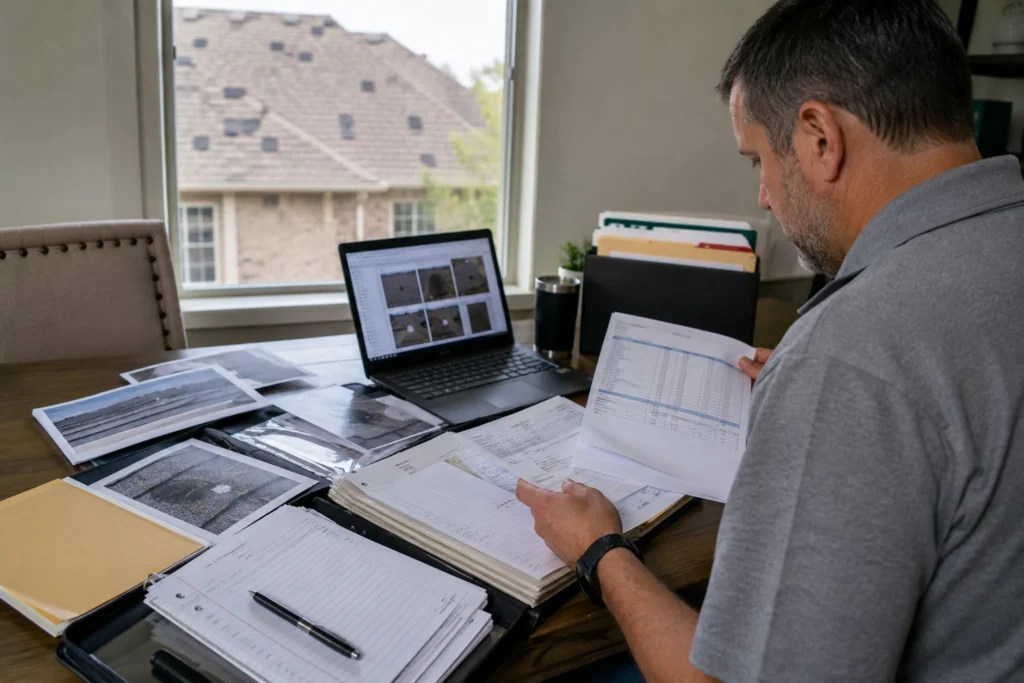
A hailstorm can last only a few minutes, yet the damage it leaves behind can affect a property for years. For many homeowners, the biggest surprise comes after the storm. They file a claim, cooperate with the inspection process, receive a settlement check, and assume everything is covered. Then the contractor’s estimate arrives. Suddenly, the numbers do not match. The insurance payment is far lower than the actual cost of repairs. This is where an underpaid hail damage insurance claim becomes a serious concern. Unfortunately, underpayments are not uncommon after major hail events. Roofing systems are complex, repair costs fluctuate, and damage is sometimes missed during inspections. As a result, homeowners may find themselves responsible for expenses they believed their insurance policy would cover.
The good news is that receiving a low settlement does not always mean the matter is settled. Many policyholders successfully pursue additional compensation after discovering overlooked damage, missing repair items, or inaccurate pricing assumptions. In many ways, this approach follows The Smart Homeowner’s Playbook: verify the damage, compare estimates, and never assume the first offer is automatically the final one. For property owners throughout Texas, especially in communities such as Duncanville, understanding how hail claims work can help prevent costly mistakes. A careful review of the claim may reveal opportunities to recover funds needed to restore the property properly.
What Is an Underpaid Hail Damage Insurance Claim?
An underpaid hail damage insurance claim occurs when an insurance company accepts coverage for hail damage but pays less than the amount reasonably required to complete repairs. This differs from a denied claim. With a denial, coverage is rejected entirely. With an underpayment, coverage exists, but the settlement may not accurately reflect the full scope of damage.
For example, a homeowner may receive a payment of $15,000 for roof repairs. However, after obtaining independent estimates, they discover the actual repair cost is closer to $28,000. The claim was approved, but the compensation may still be insufficient. These situations can create difficult choices. Some homeowners postpone repairs. Others use personal savings to bridge the gap. Some settle for lower-quality repairs simply because the available funds are limited. None of those outcomes are ideal. Insurance exists to help restore a property after a covered loss. When a payment falls short, the restoration process can become significantly more complicated.
Why Hail Claims Are Frequently Underpaid
Hail damage presents unique challenges compared to many other insurance losses. Some forms of damage are easy to identify. Broken windows, punctured roofing materials, and visible dents often stand out immediately. Other forms of damage are far more subtle. A hail impact may weaken shingles without creating an immediate leak. Metal flashing may sustain damage that is difficult to recognize from ground level. Roof vents and other components may show signs of impact that are overlooked during a brief inspection. When inspections fail to identify every affected component, settlement amounts can be lower than necessary.
Several factors contribute to underpayments:
- Incomplete inspections
- High claim volume after major storms
- Differences in repair opinions
- Pricing discrepancies
- Overlooked building code requirements
- Hidden damage discovered later
Understanding these factors helps explain why some homeowners question whether their settlement accurately reflects the damage to their property.
The Financial Impact of an Inadequate Settlement
An underpaid claim affects more than the immediate repair bill. In many cases, it creates long-term risks. Imagine a roof sustains hail damage during a severe storm. The insurance company approves limited repairs rather than full replacement. The homeowner proceeds with repairs because the settlement appears reasonable.
Months later, additional leaks develop. Water enters the attic. Insulation becomes saturated. Drywall stains appear. What initially seemed like a manageable repair now involves far greater restoration costs. This scenario highlights why accurate claim valuation matters so much. The true cost of an underpaid settlement is not always visible immediately. Sometimes the consequences emerge months or even years later.
Common Signs Your Claim May Have Been Underpaid
Many policyholders are unsure how to determine whether a settlement is adequate. While every claim is different, several warning signs frequently indicate potential underpayment.
Contractor Estimates Are Much Higher
One of the clearest indicators is a significant difference between contractor estimates and the insurance payment. A small difference may simply reflect varying opinions regarding pricing. A large difference deserves closer attention.
For example:
| Repair Item | Insurance Estimate | Contractor Estimate |
| Roof Replacement | $12,000 | $22,000 |
| Gutters | $1,000 | $2,500 |
| Flashing | Not Included | $1,300 |
| Vent Components | Not Included | $850 |
When multiple repair items are omitted or undervalued, the overall gap can become substantial.
Important Components Are Missing
Insurance estimates should account for all covered damage. Unfortunately, some components may be overlooked.
Examples include:
- Ridge caps
- Flashing
- Roof vents
- Pipe boots
- Gutters
- Downspouts
- Window screens
A missing line item may appear insignificant on its own. Combined with other omissions, however, it can dramatically reduce the settlement amount.
Interior Damage Was Excluded
Hail damage often extends beyond exterior surfaces.
Roof impacts can allow water intrusion that affects:
- Ceilings
- Insulation
- Drywall
- Flooring
- Personal property
If interior damage was not included in the claim evaluation, additional review may be warranted.
Building Code Requirements Were Ignored
Many older homes were built under previous code standards. When repairs occur today, current requirements may apply.
These requirements can increase project costs through:
- Additional underlayment
- Enhanced ventilation
- Updated flashing systems
- Improved fastening methods
If code-related expenses were not considered, the settlement may not accurately reflect actual reconstruction costs.
Why Insurance Companies Sometimes Underpay Hail Claims
Most claim professionals work hard to evaluate losses accurately.
However, several circumstances can contribute to lower-than-expected settlements.
High Claim Volume After Severe Storms
Major hailstorms often affect entire neighborhoods. Insurance companies may suddenly receive hundreds or even thousands of claims. As claim volume increases, adjusters face tighter schedules and heavier workloads. Under those conditions, details can sometimes be missed. This does not necessarily indicate bad faith. It often reflects the practical challenges associated with large-scale storm recovery efforts.
Disputes Over Damage Causes
One of the most common claim disagreements involves the cause of damage. Insurers may attribute certain conditions to:
- Normal aging
- Wear and tear
- Previous storms
- Maintenance issues
- Installation deficiencies
Contractors may reach different conclusions. These differing opinions frequently influence the final settlement amount.
Incomplete Inspections
No inspection process is perfect. Some forms of hail damage require close examination and specialized knowledge. Damage may exist beneath the surface. Certain impacts may not be visible from the ground. Limited inspections sometimes fail to identify every affected component. As a result, claim estimates may not reflect the complete scope of repairs needed.
Pricing Differences
Insurance estimates often rely on software databases and regional pricing information. Contractors rely on actual labor costs, supplier pricing, and local market conditions. When these figures differ significantly, homeowners may encounter an underpaid hail damage insurance claim even though coverage has been approved.
Types of Hail Damage Frequently Overlooked
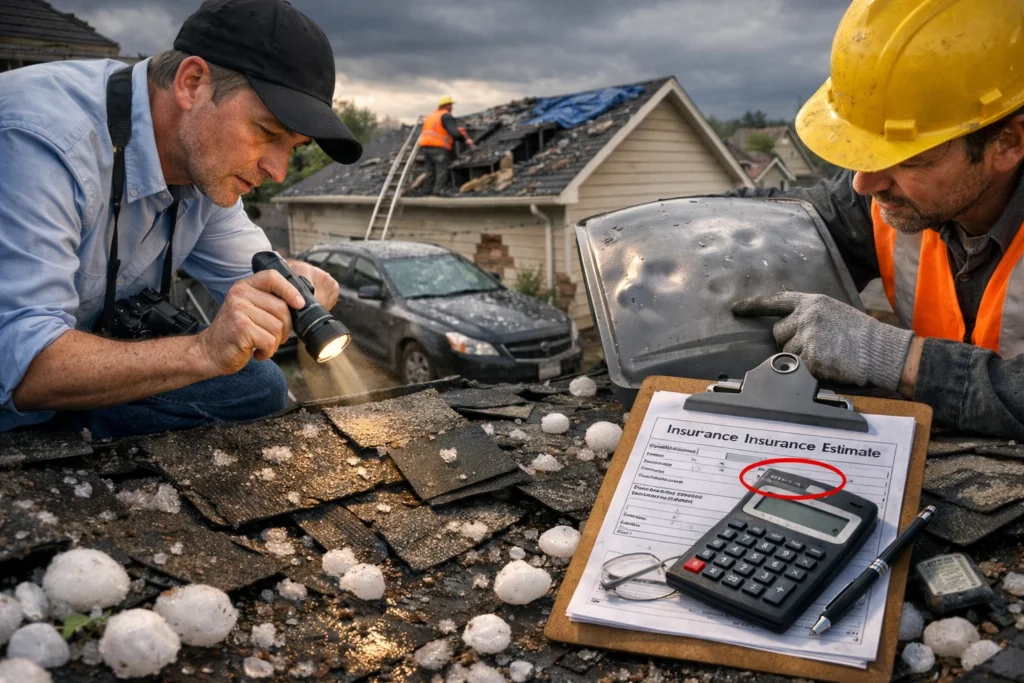
Certain forms of damage are more likely to be missed during inspections. Understanding these areas can help homeowners identify potential issues.
Roofing Components
The roof typically receives the most attention after a hailstorm.
However, multiple components require evaluation:
- Shingles
- Ridge caps
- Flashing
- Roof vents
- Skylights
- Pipe boots
Damage to any of these areas can affect overall roof performance.
Gutters and Downspouts
Metal components often provide clear evidence of hail impacts. Dents and deformation may indicate storm severity and support broader damage findings.
Siding and Exterior Finishes
Hail can crack, dent, or otherwise damage exterior materials. Repairing these surfaces may involve matching concerns, repainting, and partial replacement costs.
HVAC Equipment
Outdoor air conditioning units frequently sustain hail impacts. While some damage may appear cosmetic, more significant impacts can affect efficiency and long-term performance.
Detached Structures
Damage is not always limited to the primary residence.
Property owners should also inspect:
- Storage sheds
- Detached garages
- Pergolas
- Gazebos
- Fences
Overlooking these structures may result in missed compensation opportunities.
Why Early Inspections Matter
One challenge associated with hail damage is delayed discovery. Some problems become apparent immediately. Others do not. Leaks may develop weeks after a storm. Moisture damage may remain hidden until insulation becomes saturated. Roofing materials may deteriorate gradually following impact damage. The longer these conditions remain unidentified, the more difficult they can become to document. Prompt inspections help establish a clear connection between the storm event and the resulting damage. That connection can be extremely important when evaluating whether an underpaid hail damage insurance claim exists.
Duncanville Homeowners Face Ongoing Hail Risks
Texas remains one of the most active hail regions in the country. Communities such as Duncanville regularly experience severe weather capable of damaging roofs, siding, gutters, and outdoor equipment. When storms affect large numbers of homes simultaneously, claim volumes rise quickly. That environment increases the importance of careful inspections and thorough documentation. For homeowners, the objective is simple: ensure the settlement accurately reflects the true cost of restoring the property. Anything less can leave significant repair expenses unresolved.
Steps to Take If You Believe Your Claim Was Underpaid
Discovering that your settlement may not fully cover repairs can be frustrating. However, frustration alone does not solve the problem. Taking organized, deliberate action can make a significant difference. Many homeowners who successfully recover additional compensation follow a process focused on documentation, verification, and persistence.
Step 1: Review the Insurance Estimate Carefully
Start with the estimate itself. Most policyholders focus on the final payment amount. The estimate contains far more valuable information.
Review every line item.
Look for:
- Missing repair components
- Incorrect measurements
- Low material quantities
- Excluded damage
- Depreciation deductions
- Pricing discrepancies
Even small omissions can add up quickly. For example, missing flashing, vents, or underlayment may increase repair costs by thousands of dollars.
Step 2: Obtain Independent Inspections
An insurance inspection represents one professional opinion. Obtaining a second opinion often provides additional insight.
Qualified professionals may include:
- Roofing contractors
- Restoration specialists
- Engineers
- Building consultants
Independent inspections frequently identify damage that was overlooked during the original evaluation. More importantly, they provide supporting evidence if additional compensation is requested.
Step 3: Document Everything
Strong claims are built on strong documentation.
Create a file containing:
- Photographs
- Videos
- Inspection reports
- Contractor estimates
- Repair invoices
- Emails
- Letters
- Claim notes
Organization matters. A well-documented claim is often easier to evaluate than one supported by scattered information.
Step 4: Compare Estimates Line by Line
Do not compare only the total amounts. Compare the scope of work. A contractor may include items that are completely absent from the insurance estimate. These differences often explain why repair costs exceed settlement amounts.
Pay particular attention to:
- Roofing accessories
- Ventilation systems
- Flashing
- Gutters
- Code-required upgrades
- Disposal costs
The goal is to identify exactly where the differences occur.
Step 5: Submit Additional Evidence
If new information becomes available, provide it.
Supporting evidence may include:
- Detailed contractor reports
- Additional photographs
- Material pricing information
- Engineering findings
- Code compliance documentation
The more specific the documentation, the easier it becomes to evaluate the claim accurately.
Understanding Supplemental Hail Damage Claims
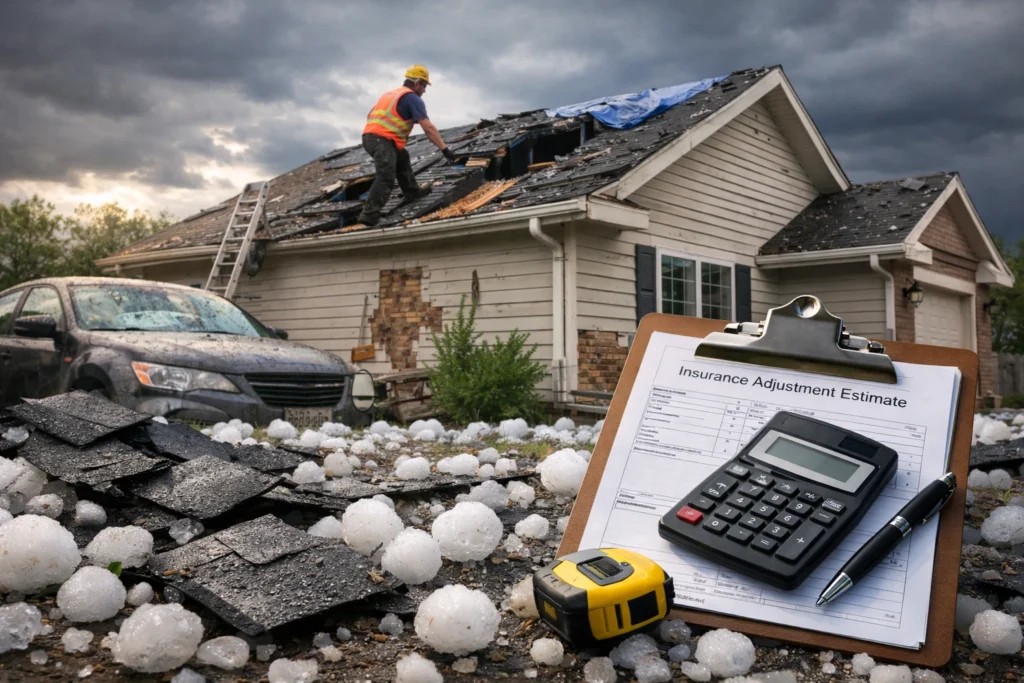
Many homeowners assume that once a claim payment is issued, the process is complete. That is not always true. Supplemental claims exist specifically because additional damage is often discovered after the initial inspection. Hidden issues may emerge. Repair costs may increase. New information may become available. When that happens, policyholders may have the opportunity to request additional consideration.
Common Reasons for Supplemental Claims
Several situations frequently justify supplemental review.
These include:
- Hidden roof damage
- Additional interior damage
- Material matching concerns
- Updated repair pricing
- Code-required improvements
- Previously overlooked components
An underpaid hail damage insurance claim often evolves into a supplemental claim once these issues are identified and documented.
Why Hidden Damage Is Common
Hail does not always create obvious destruction. Some impacts weaken roofing materials without causing immediate leaks. Others damage protective layers beneath the visible surface. Over time, exposure to sunlight, rain, and temperature changes can worsen the condition. Months later, problems become visible. By then, homeowners may realize the original settlement failed to account for the full extent of the damage. This is one reason thorough inspections are so important after severe weather events.
The Importance of Professional Opinions
Complex claims often benefit from expert evaluations.
Professional assessments may provide:
- Damage verification
- Repair recommendations
- Scope comparisons
- Technical documentation
- Independent analysis
These findings can help homeowners understand whether the settlement accurately reflects the damage. They also provide valuable support if further review becomes necessary.
Keeping Detailed Communication Records
Good recordkeeping is one of the simplest ways to strengthen a claim. Save everything.
Keep copies of:
- Emails
- Letters
- Estimates
- Inspection reports
- Claim summaries
- Photographs
A complete record creates a clear timeline of events. That timeline can become extremely valuable if questions arise later.
The Complexity of Hail Damage Claims
At first glance, a hail claim may appear straightforward. Storm damage occurs. An inspection follows. Repairs are estimated. A payment is issued. In reality, the process involves numerous variables. Inspectors evaluate damage. Contractors assess repairs. Insurance policies define coverage.
Building codes influence reconstruction requirements. Pricing databases affect estimates. These interacting factors can create complicated outcomes. Interestingly, this complexity resembles concepts found in systems theory such as emergence, where multiple interconnected elements produce results that cannot always be predicted by examining a single factor alone. Insurance claims often operate in a similar way.
The Role of a Public Adjuster
When claim disputes arise, many homeowners consider professional representation. Public adjusters work on behalf of policyholders rather than insurance companies.
Their responsibilities may include:
- Reviewing policy provisions
- Inspecting damage
- Analyzing estimates
- Preparing documentation
- Negotiating claim values
Their goal is to help ensure that covered damage receives proper consideration during the claims process.
Potential Benefits of Professional Assistance
Not every claim requires outside help. However, professional involvement may provide value in certain situations.
Examples include:
| Benefit | Potential Value |
| Independent Evaluation | Additional damage identification |
| Documentation Support | Stronger claim presentation |
| Estimate Review | Identification of omissions |
| Negotiation Assistance | Improved communication |
| Claim Management | Better organization |
These services may be particularly useful when large financial differences exist between repair estimates and settlement offers.
When Professional Representation May Be Worth Considering
Homeowners often seek assistance when:
- Damage is extensive
- Multiple structures are involved
- Settlement gaps are significant
- Supplemental claims become complicated
- Commercial properties are affected
Larger claims typically involve more moving parts and greater financial exposure.
Mistakes Property Owners Should Avoid
Certain mistakes can make the claims process more difficult. Fortunately, most are preventable.
Accepting the First Settlement Too Quickly
The initial payment may be accurate. It may not. Reviewing the estimate before accepting it as final is always a wise step.
Failing to Document Damage
Evidence becomes harder to collect as time passes. Photographs taken immediately after a storm can become invaluable later.
Discarding Damaged Materials
Whenever practical, damaged components should remain available for inspection until evaluations are complete. Removing evidence too early can create challenges.
Missing Deadlines
Insurance policies often contain reporting and documentation requirements. Acting promptly helps preserve options and reduces unnecessary complications.
Performing Permanent Repairs Before Documentation
Emergency mitigation is often necessary. Permanent repairs should generally wait until adequate documentation has been completed and inspections have occurred. Otherwise, important evidence may disappear before questions are resolved.
Why Accurate Claim Valuation Matters
The goal of an insurance claim is not simply to receive payment. The goal is to receive enough payment to restore the property appropriately. When settlements fall short, homeowners may face difficult financial decisions. Repairs may be delayed. Damage may worsen.
Property value may be affected. An accurate settlement helps prevent those outcomes. It provides the resources necessary to address damage properly and move forward with confidence. For homeowners facing an underpaid hail damage insurance claim, careful review, strong documentation, and independent verification often represent the most effective path toward achieving that objective.
Texas-Specific Considerations for Hail Damage Claims
Texas experiences some of the most severe hail activity in the country. Every year, powerful storms damage homes, businesses, and roofing systems across the state. For property owners, this means hail claims are not unusual. However, the high volume of claims generated after major storms can sometimes complicate the adjustment process.
When hundreds or even thousands of claims are filed within a short period, adjusters face significant workloads. Inspection schedules become crowded. Contractors become booked. Material demand increases. Under these conditions, mistakes can happen. That is why property owners should carefully review every settlement rather than assuming the first payment automatically reflects the full extent of the loss.
Understanding Your Rights as a Policyholder
Many homeowners do not realize they have options after receiving a claim payment.
Policyholders generally have the right to:
- Review claim documentation
- Request explanations regarding settlement decisions
- Submit additional evidence
- Obtain independent inspections
- Pursue supplemental claims when appropriate
Understanding these rights is important because many underpayments are identified only after additional review takes place. A settlement check does not necessarily mean every issue has been fully addressed.
The Importance of Supporting Documentation
When questions arise regarding claim value, documentation becomes one of the most important tools available.
Helpful evidence may include:
- Contractor estimates
- Engineering reports
- Inspection photographs
- Material pricing documentation
- Building code information
- Weather records
The stronger the documentation, the easier it becomes to demonstrate why additional compensation may be warranted.
Real-World Example of an Underpaid Claim
Consider a common scenario. A homeowner experiences a severe hailstorm and files a claim. The insurance inspection identifies roof damage and issues a payment of $16,000. Initially, the homeowner feels relieved. However, after selecting a contractor, additional problems are discovered.
The contractor identifies:
- Damaged flashing
- Compromised ridge caps
- Vent damage
- Underlayment concerns
- Code-required upgrades
The revised repair estimate totals nearly $30,000. Suddenly, the original settlement no longer appears sufficient. After submitting documentation and requesting further review, the claim receives additional consideration and supplemental payments are issued. While every claim is different, situations like this demonstrate why homeowners should compare repair estimates carefully before assuming a claim is fully resolved.
Why Roof Damage Creates Frequent Disputes
Roofing systems are more complicated than many people realize. A roof consists of numerous interconnected components that work together to protect the structure.
These components may include:
- Shingles
- Flashing
- Underlayment
- Ridge ventilation
- Pipe boots
- Fasteners
- Water barriers
Damage to one component can affect others. As a result, contractors and insurance adjusters may sometimes disagree regarding the proper repair scope. These disagreements often contribute to an underpaid hail damage insurance claim.
Material Costs Continue to Change
Another factor affecting claim values is construction pricing. Repair costs are not fixed. Labor rates fluctuate. Material prices increase and decrease. Supply chain disruptions can affect availability. Transportation expenses change. An estimate prepared shortly after a storm may not always reflect actual repair costs several months later. For this reason, updated contractor pricing sometimes plays an important role during supplemental claim reviews.
Why Accurate Measurements Matter
Even small measurement errors can create significant differences in claim value. For example, underestimating roofing square footage by only a few percent may result in:
- Insufficient materials
- Lower labor allocations
- Reduced waste calculations
- Incomplete repair budgets
Accurate measurements are critical because every calculation within an estimate depends on them. When measurements are inaccurate, settlement amounts may also be inaccurate.
Documentation Often Determines Outcomes
Insurance claims frequently come down to evidence. Not assumptions. Not opinions. Evidence.
Strong documentation typically includes:
- Clear photographs
- Inspection reports
- Contractor estimates
- Communication records
- Weather event information
The more organized the information, the easier it becomes to evaluate the claim objectively. Many successful supplemental claims are supported by thorough documentation collected early in the process.
Questions Homeowners Should Ask
Before accepting a settlement as final, consider asking several important questions:
- Does the estimate include all damaged components?
- Were all structures inspected?
- Were building code requirements considered?
- Have independent contractors reviewed the damage?
- Does the payment realistically cover repairs?
These questions can help identify issues that may otherwise go unnoticed.
Protecting Property Value After a Hailstorm
Hail damage affects more than immediate repair expenses. It can also affect long-term property value.
Unresolved storm damage may influence:
- Home inspections
- Future sales
- Refinancing opportunities
- Insurance renewals
- Maintenance costs
Addressing damage properly helps protect both the structure and its market value. That is why accurate claim evaluation remains so important.
Commercial Property Owners Face Additional Challenges
Business owners often encounter even more complex situations.
Commercial claims may involve:
- Large roofing systems
- Specialized equipment
- Multiple structures
- Tenant improvements
- Operational concerns
The larger the property, the greater the potential for overlooked damage. Detailed inspections become especially important in these situations.
Preparing for Future Storms
No homeowner can prevent hailstorms. However, preparation can simplify future claims.
Consider maintaining:
- Annual property photographs
- Roof inspection records
- Maintenance documentation
- Contractor contact information
- Insurance policy records
These materials provide valuable reference points if future damage occurs. Preparation also makes it easier to identify changes following a storm event.
The Value of Independent Verification
One theme appears consistently throughout hail damage claims. Verification matters. Independent inspections. Independent estimates. Independent evaluations. These resources provide additional perspectives that help homeowners determine whether their settlement accurately reflects the damage. While they do not guarantee additional compensation, they often reveal information that deserves closer examination.
Duncanville Property Owners Should Remain Proactive
Severe weather remains an ongoing reality throughout Texas. Homeowners in Duncanville understand how quickly hailstorms can develop and how much damage they can cause within minutes. Because hail losses can be extensive, every claim deserves careful attention. Reviewing estimates, obtaining independent inspections, and maintaining detailed records can help ensure that settlement amounts align with actual repair needs. Taking these steps may reduce the likelihood of accepting an inadequate settlement.
Final Thoughts
An underpaid hail damage insurance claim can leave homeowners facing unexpected repair expenses despite having insurance coverage in place. The good news is that an initial settlement is not always the end of the process. Hidden damage, omitted repair items, inaccurate measurements, pricing discrepancies, and code-related requirements can all affect claim values. When these issues are identified, policyholders may have opportunities to pursue additional compensation through supplemental reviews and supporting documentation.
The key is staying informed. Review estimates carefully. Document damage thoroughly. Seek independent opinions when appropriate. Ask questions whenever something appears unclear. For homeowners and business owners in Duncanville and throughout Texas, these steps can help ensure that storm damage is evaluated accurately and that the resources needed for proper repairs are available. When it comes to hail claims, knowledge truly is one of the most valuable tools a property owner can have.
FAQs
Yes. You can submit additional evidence, request a supplemental review, or seek professional assistance if the settlement appears insufficient.
Compare the insurance estimate with independent contractor estimates and look for missing items or pricing differences.
Yes. Some hail damage does not become apparent until repairs begin or leaks develop after the storm.
A supplemental claim is a request for additional compensation when new damage or costs are discovered after the initial settlement.
An independent inspection can help identify damage that may have been overlooked during the original evaluation.
No. The extent of the damage determines whether repairs or a full replacement are appropriate.
Save photographs, inspection reports, estimates, receipts, emails, and all claim-related correspondence.
Yes. Current code requirements may increase repair costs and should be considered during claim evaluations.
You may consider contacting a public adjuster when there is a significant gap between repair estimates and the insurance settlement.
Act as soon as possible because insurance policies often contain deadlines for submitting additional documentation or supplemental claims.