

Roof damage rarely arrives with perfect timing. A severe storm rolls through, shingles end up scattered across the yard, or hail leaves hidden impacts across the roof surface. Yet many homeowners wait before taking action. Unfortunately, what happens if you delay a roof claim can become a costly lesson. The longer a property owner waits, the more difficult the claim process often becomes. In some situations, delays can even jeopardize coverage altogether.
Most homeowners are not insurance experts. They have jobs, families, responsibilities, and countless demands competing for attention. After a storm, filing a roof claim may not seem urgent. If there are no visible leaks and the roof still appears intact from the ground, it’s easy to assume everything is fine. That assumption can be expensive. Insurance policies typically contain obligations requiring policyholders to notify the carrier within a reasonable period after discovering damage. While every policy differs, insurance companies generally expect prompt reporting so they can investigate losses while evidence remains fresh.
When a roof claim sits unattended for weeks, months, or even years, several complications can emerge. Documentation becomes harder to gather. Damage progresses. Questions arise regarding the true cause of the loss. Suddenly, what should have been a straightforward claim becomes a complicated dispute. Understanding the risks associated with delayed reporting can help homeowners make informed decisions and protect their financial interests.
Understanding Roof Insurance Claims
A roof insurance claim is a request for benefits under a homeowners insurance policy after covered damage affects the roofing system. Depending on the policy, covered causes may include:
- Hail
- Windstorms
- Falling trees
- Fire
- Lightning
- Certain weather-related events
Not every roof problem qualifies for insurance coverage. Aging materials, lack of maintenance, and gradual deterioration often fall outside covered losses. The distinction matters. Insurance companies frequently investigate whether damage resulted from a sudden event or long-term wear. When homeowners delay reporting damage, distinguishing between those causes becomes significantly more difficult.
Timing is one of the most important elements in any property insurance claim. The insurance industry often relies on evidence, documentation, weather records, inspection reports, and expert opinions to evaluate losses. In some respects, the process resembles a complex form of Topological Data Analysis, where investigators examine multiple layers of information to identify patterns and determine the source of damage. The clearer the evidence, the smoother the claim process tends to be.
Why Homeowners Delay Roof Claims
Most delayed roof claims are not intentional. People simply believe they have time. One common reason involves uncertainty. A homeowner notices a few missing shingles after a storm but isn’t sure whether the damage warrants a claim. Rather than schedule an inspection, they wait. Another factor is concern about premiums. Many homeowners worry that reporting damage will automatically increase insurance rates. While claim history may influence future underwriting decisions, avoiding legitimate claims solely out of fear can create larger financial problems later.
Busy schedules also contribute. Life moves quickly. Work deadlines pile up. Kids have activities. Vacations are planned. Before long, weeks become months. Some homeowners also spend excessive time collecting contractor estimates before notifying their insurer. While obtaining professional opinions can be valuable, waiting too long to begin the claim process can create unnecessary obstacles.
Others simply do not recognize hidden damage. This is especially common after hail events. A roof may appear perfectly normal from the street while sustaining significant impact damage that gradually worsens over time. If you’ve ever wondered, “How to Hire a Public Adjuster?” the answer begins with finding a licensed professional who represents policyholders rather than insurance companies and who has experience handling roof damage claims similar to yours. Seeking assistance early often provides more options than waiting until disputes develop.
What Happens If You Delay a Roof Claim?
The consequences vary. However, several common risks appear repeatedly across delayed roof claims. The first and most significant risk is claim denial. Insurance policies frequently contain language requiring prompt notice of loss. While “prompt” may not always be defined by a specific number of days, insurance companies can argue that substantial delays prevented them from properly investigating the claim.
Imagine a severe hailstorm damages a roof in spring. The homeowner notices minor issues but takes no action. Two years later, a leak develops and a claim is submitted. The insurance company may argue that subsequent weather events, aging, maintenance issues, or unrelated damage make it impossible to determine what actually caused the problem. From the insurer’s perspective, the delay creates uncertainty. Uncertainty often benefits the party evaluating the claim. Not the policyholder.
Evidence Can Disappear Faster Than You Think
Roof damage does not remain frozen in time. Wind continues blowing. Rain continues falling. Sunlight continues degrading materials. The physical evidence needed to support a claim may gradually disappear. For example, hail impacts that were once obvious may become difficult to identify after years of exposure. Lifted shingles may tear away completely during future storms. Temporary leaks may evolve into larger structural problems that obscure the original damage.
Consider this simple comparison:
| Immediate Reporting | Delayed Reporting |
| Fresh evidence available | Evidence may be degraded |
| Easier damage verification | More difficult investigations |
| Stronger documentation | Missing documentation |
| Faster claim decisions | Increased disputes |
| Lower risk of denial | Higher risk of denial |
Documentation matters. The sooner damage is inspected, photographed, and recorded, the stronger the evidentiary foundation becomes.
Delays Can Raise Questions About the Cause of Damage
Insurance companies investigate causation carefully. In property insurance, establishing the cause of damage is often just as important as documenting the damage itself. Suppose a roof sustains wind damage during a major storm. Six months later, additional storms strike the area.
Another six months pass. Then the homeowner files a claim. At that point, determining which storm caused which damage becomes considerably more challenging.
Insurers frequently review:
- Weather data
- Satellite records
- Inspection reports
- Maintenance history
- Roofing material condition
- Prior claims
The longer the delay, the more opportunities exist for competing explanations. That can create disagreements regarding coverage.
Secondary Damage Can Become a Bigger Problem
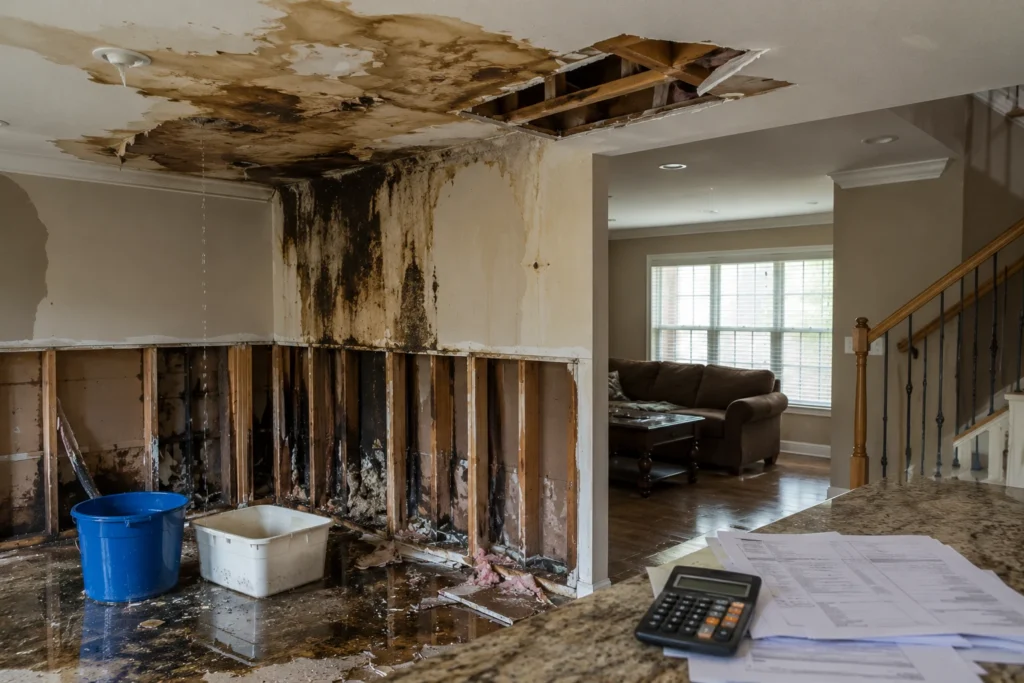
A small roof issue rarely remains small forever. Water has a remarkable ability to find pathways into a structure. Once moisture enters a property, additional damage often follows.
Common examples include:
- Ceiling stains
- Insulation damage
- Drywall deterioration
- Electrical concerns
- Mold growth
- Wood rot
- Flooring damage
What began as a relatively limited roof claim can evolve into a major restoration project. Insurance companies may question whether portions of the secondary damage could have been prevented through earlier action. This issue frequently becomes a point of contention during claim evaluations.
Hidden Roof Damage Often Worsens Over Time
One of the most misunderstood aspects of roofing damage is its tendency to remain invisible. A roof can suffer substantial damage without obvious interior symptoms. Hail provides a perfect example. Impact damage may loosen protective granules on shingles without creating immediate leaks. Months later, ultraviolet exposure accelerates deterioration. The roofing material ages faster than intended. Cracking develops. Water infiltration eventually follows. The homeowner may not connect the later problems to the original storm.
Yet the damage progression began much earlier. Wind damage follows a similar pattern. A lifted shingle may continue functioning temporarily. However, weakened seals increase vulnerability to future storms. Over time, additional movement creates greater exposure. This progressive deterioration can transform manageable repairs into full roof replacement projects.
The Financial Cost of Waiting
Insurance concerns are only part of the equation. Repair costs often increase dramatically when damage goes unaddressed.
Consider the following comparison:
| Early Response | Delayed Response |
| Minor repair costs | Major restoration costs |
| Limited water intrusion | Extensive interior damage |
| Shorter project timeline | Longer repair schedules |
| Easier claim documentation | Complex claim investigations |
| Better preservation of property value | Greater property deterioration |
Homeowners frequently focus on whether a claim will be approved. A more important question may be how much additional damage develops while waiting. Every storm season introduces new risks. Every rainfall event creates another opportunity for moisture intrusion. Every month increases uncertainty.
How Insurance Companies Evaluate Delayed Roof Claims
Insurance carriers generally approach delayed claims differently than newly reported losses. Their investigation often becomes more detailed.
Adjusters may request:
- Maintenance records
- Prior inspection reports
- Roofing contractor evaluations
- Historical weather information
- Repair documentation
- Photographs of prior roof condition
Questions become more specific as well.
Common examples include:
- When was the damage first noticed?
- What actions were taken after discovery?
- Why was reporting delayed?
- Were temporary repairs performed?
- Has additional damage occurred since the original event?
These questions are not necessarily accusations. However, the answers may influence how the claim is evaluated. Consistency and documentation become extremely important.
Warning Signs That Require Immediate Action
Certain roofing issues should never be ignored.
If any of the following conditions exist, prompt inspection is advisable:
- Active roof leaks
- Missing shingles
- Hail impact marks
- Granule accumulation in gutters
- Interior water stains
- Sagging roof sections
- Damaged flashing
- Storm debris impacts
Waiting rarely improves these situations. In most cases, conditions worsen over time. The sooner damage is identified, the more options homeowners typically have.
What To Do If You Recently Discovered Older Roof Damage
Discovering roof damage months after a storm is more common than many homeowners realize. The good news is that discovering damage later does not automatically mean coverage is impossible. What matters is how you respond once the damage becomes known.
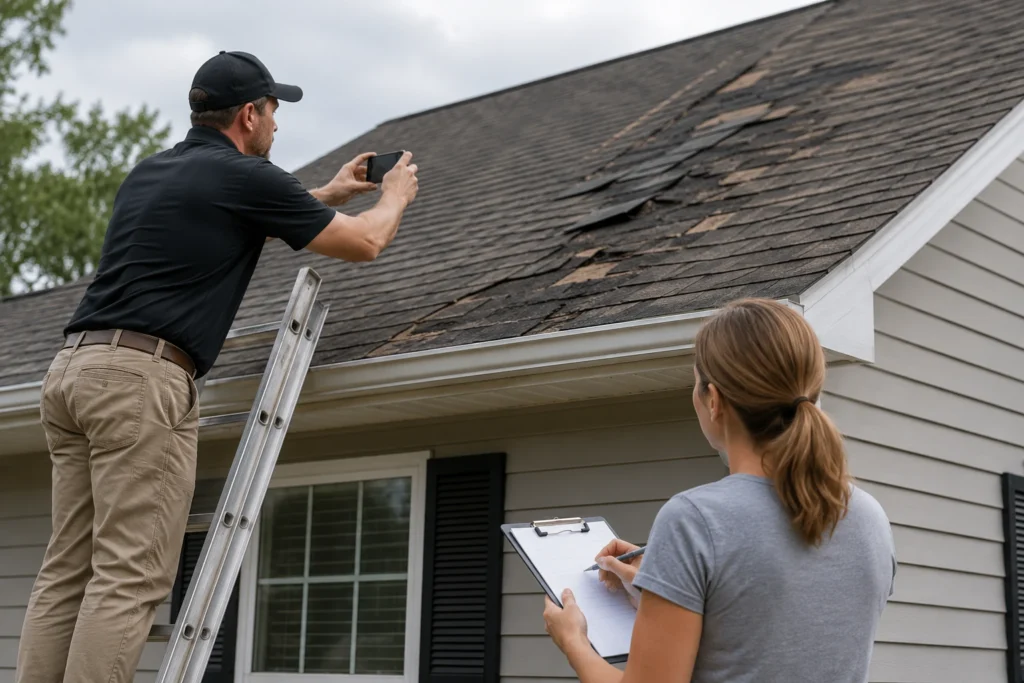
Start by scheduling a professional roof inspection. A qualified roofing contractor can often identify indicators of storm-related damage and provide documentation regarding the roof’s condition. Next, gather as much information as possible.
Useful documentation may include:
- Storm dates
- Weather reports
- Photographs
- Maintenance records
- Prior roof inspections
- Repair invoices
- Contractor assessments
The goal is simple. Build a timeline. The stronger the timeline, the easier it becomes to demonstrate how the damage occurred and when it was first discovered. Homeowners should also review their insurance policy carefully. Pay particular attention to reporting requirements, duties after loss provisions, and any deadlines that may apply. Once damage is identified, delaying further rarely helps. Prompt communication often preserves more options than continued waiting.
The Financial Consequences of Waiting Too Long
When people think about roof claims, they usually focus on insurance benefits. That makes sense. However, delayed reporting can trigger financial consequences that extend far beyond the claim itself. For example, a minor roof repair costing a few hundred dollars today could become a major reconstruction project next year. Water intrusion is rarely isolated. Moisture spreads. It travels through insulation, framing, drywall, and flooring materials. Over time, restoration costs can multiply.
Consider the following example:
| Issue Initially | Potential Result After Delay |
| Missing shingles | Extensive roof replacement |
| Small leak | Major ceiling repairs |
| Limited moisture | Mold remediation |
| Minor flashing damage | Structural wood repairs |
| Localized damage | Whole-home restoration work |
The numbers can become substantial. In many cases, homeowners ultimately spend more on repairs than they would have spent addressing the issue promptly. Property value can also suffer. Prospective buyers often become concerned when inspection reports identify unresolved roof problems. Even if the damage appears manageable, uncertainty tends to reduce buyer confidence. That reduction in confidence can affect negotiations and sale prices.
Why Small Leaks Deserve Immediate Attention
One of the most dangerous phrases in homeownership is: “It’s only a small leak.” Small leaks have a habit of becoming large problems. A few drops of water today can translate into significant damage six months later. The reason is simple. Water exposure is cumulative. Every rainstorm adds moisture. Every storm event creates additional opportunities for deterioration.
Areas commonly affected include:
- Attics
- Ceiling cavities
- Insulation
- Wall systems
- Electrical components
- Flooring materials
Many homeowners are surprised when repair contractors uncover damage extending far beyond the original leak location. By the time visible symptoms appear inside the home, hidden damage may already be extensive. That is why roof professionals frequently recommend inspections even when leaks appear minor. The cost of inspection is often insignificant compared to the potential cost of extensive restoration.
How Public Adjusters Help With Delayed Roof Claims
When delays create disputes, homeowners often find themselves navigating a complicated process. Insurance policies contain extensive language. Claim investigations can become technical. Documentation requirements may seem overwhelming. This is where public adjusters can play an important role. Unlike insurance company adjusters, public adjusters work on behalf of policyholders. Their objective is to evaluate the loss, document damages, and help present the claim effectively.
Services often include:
- Policy review
- Damage assessment
- Documentation gathering
- Claim preparation
- Negotiation support
- Communication assistance
This becomes particularly valuable when insurers question the timing of a claim. Delayed claims often require additional evidence. Public adjusters help organize that evidence into a clear and persuasive presentation. That does not guarantee a specific outcome. However, it can improve clarity and help homeowners understand their rights and options.
Common Mistakes Homeowners Make After Discovering Roof Damage
Mistakes are understandable. Most people do not deal with property insurance claims regularly. Still, certain errors repeatedly create avoidable complications.
Waiting for the Leak to Get Worse
Some homeowners assume visible water intrusion is necessary before taking action. It isn’t. Many forms of storm damage begin long before interior symptoms appear.
Throwing Away Evidence
Damaged shingles, flashing, and roofing materials may serve as important evidence. Discarding them prematurely can weaken documentation efforts.
Failing to Take Photos
Photographs provide powerful support during claim evaluations. Take pictures immediately. Then continue documenting conditions as repairs progress.
Assuming Insurance Already Knows About the Storm
Insurance companies track weather events. However, they do not automatically know whether a particular property sustained damage. Individual documentation remains essential.
Relying Solely on Memory
Months later, details become fuzzy. Dates become uncertain. Conversations become difficult to recall accurately. Written records help eliminate confusion.
Roof Claim Best Practices for Homeowners
Whether damage is recent or older, several best practices can strengthen a roof claim.
Conduct Routine Roof Inspections
Many roofing issues are discovered during routine inspections rather than after major leaks develop. Annual inspections provide valuable insight into roof condition.
Maintain Detailed Records
Keep documentation organized.
Helpful records include:
- Roofing contracts
- Warranty information
- Inspection reports
- Repair invoices
- Photographs
- Insurance correspondence
Act Quickly After Severe Weather
Following significant hail, wind, or storm activity, schedule a professional evaluation. Prompt inspections often identify hidden issues before they become expensive problems.
Preserve Damaged Materials
Whenever practical, retain damaged roofing components until documentation is complete. These materials may support claim investigations.
Communicate Clearly
Maintain copies of emails, letters, and claim-related communications. Organization often simplifies the process significantly.
Roof Claim Considerations for Homeowners in Duncanville
Homeowners in Duncanville understand how unpredictable Texas weather can be. Strong winds, hailstorms, heavy rain, and severe seasonal weather events can place considerable stress on roofing systems. Because storms often affect large portions of the community simultaneously, contractors and insurance companies may experience increased workloads after major weather events.
That creates another reason to act promptly. The sooner inspections are scheduled, the sooner potential damage can be identified and documented. For property owners in Duncanville, routine roof evaluations after significant storms can help uncover hidden issues before they evolve into larger and more expensive concerns. Waiting until visible leaks appear may mean substantial damage has already occurred behind the scenes. In many cases, homeowners discover that early action saves both time and money.
Why Prompt Action Protects Duncanville Homeowners
Every roof has a lifespan. Every roofing system experiences wear. However, storm damage introduces risks that normal aging alone does not create. When storm-related issues are addressed quickly, homeowners generally maintain greater control over the situation. Documentation remains fresh. Evidence remains available. Repair options remain broader.
For residents of Duncanville, this proactive approach can help reduce uncertainty during the claim process while preserving the condition of the property itself. The objective is not simply obtaining insurance benefits. The objective is protecting one of the most significant investments most families will ever make. A home deserves that level of attention.
The Bottom Line: Waiting Rarely Helps
When homeowners ask what happens if you delay a roof claim, the answer is rarely encouraging. Delays can complicate investigations. They can weaken evidence. They can increase repair costs. They can create disagreements regarding the cause and extent of damage.
Most importantly, they can transform manageable roofing issues into major restoration projects. Acting promptly does not guarantee a perfect claim experience. However, it often provides a stronger foundation for success. If roof damage is suspected, schedule an inspection.
Document conditions thoroughly. Review policy obligations. Communicate promptly. For homeowners in Duncanville and throughout Texas, those simple steps can make a significant difference when navigating the roof claim process. A storm may last only a few hours. The consequences of waiting can last much longer.
FAQs
The deadline depends on your policy and state regulations, but reporting damage as soon as possible is generally the safest approach.
Yes. Insurance companies may deny claims if they believe a reporting delay prevented a proper investigation of the damage.
You may still have a valid claim, especially if the damage was hidden, but documentation and prompt action after discovery become very important.
Yes. Hail impacts can weaken roofing materials, leading to accelerated aging, cracking, leaks, and additional deterioration.
Emergency measures to prevent further damage are usually appropriate, but extensive repairs should be documented thoroughly before work begins.
Photographs, inspection reports, weather records, maintenance records, and contractor assessments can all strengthen a claim.
It can. Insurance companies may argue that some secondary damage could have been prevented through earlier action.
Yes. Older claims often receive more scrutiny because insurers must determine the cause, timing, and extent of the damage.
A public adjuster can help review policy language, organize documentation, and negotiate with the insurance company on the policyholder’s behalf.
Schedule a professional inspection. Many forms of hail and wind damage are not visible from the ground but can worsen over time.